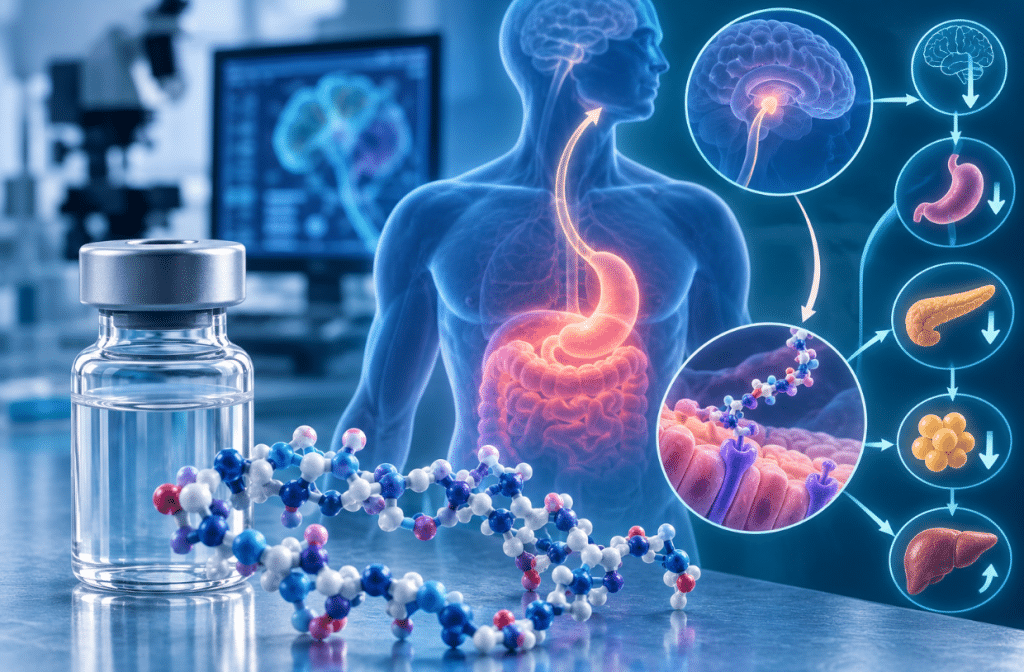
Article Snapshot Cagrilintide is a long-acting amylin analogue developed by Novo Nordisk as an investigational compound and studied across a growing body of clinical trials. This overview describes what the published science reports about how the molecule engages amylin receptors, how it differs from GLP-1 medications, and what researchers have measured in trial participants. Key […]
The Glow peptide has become a frequent point of reference in modern peptide research, appearing across a growing body of preclinical literature. As a combination compound, the Glow peptide brings together several individually studied sequences into a single research-grade formulation. This article explores how the Glow peptide is examined in laboratory studies, what components define […]
For Research Use Only. Not for Human Consumption. What Are Genetic Peptides? Genetic peptides are short chains of amino acids studied in scientific research as reference compounds. Like all peptides, they are composed of amino acids linked into short chains that are shorter than full proteins. At Aion Aminos, genetic peptides are supplied strictly as […]
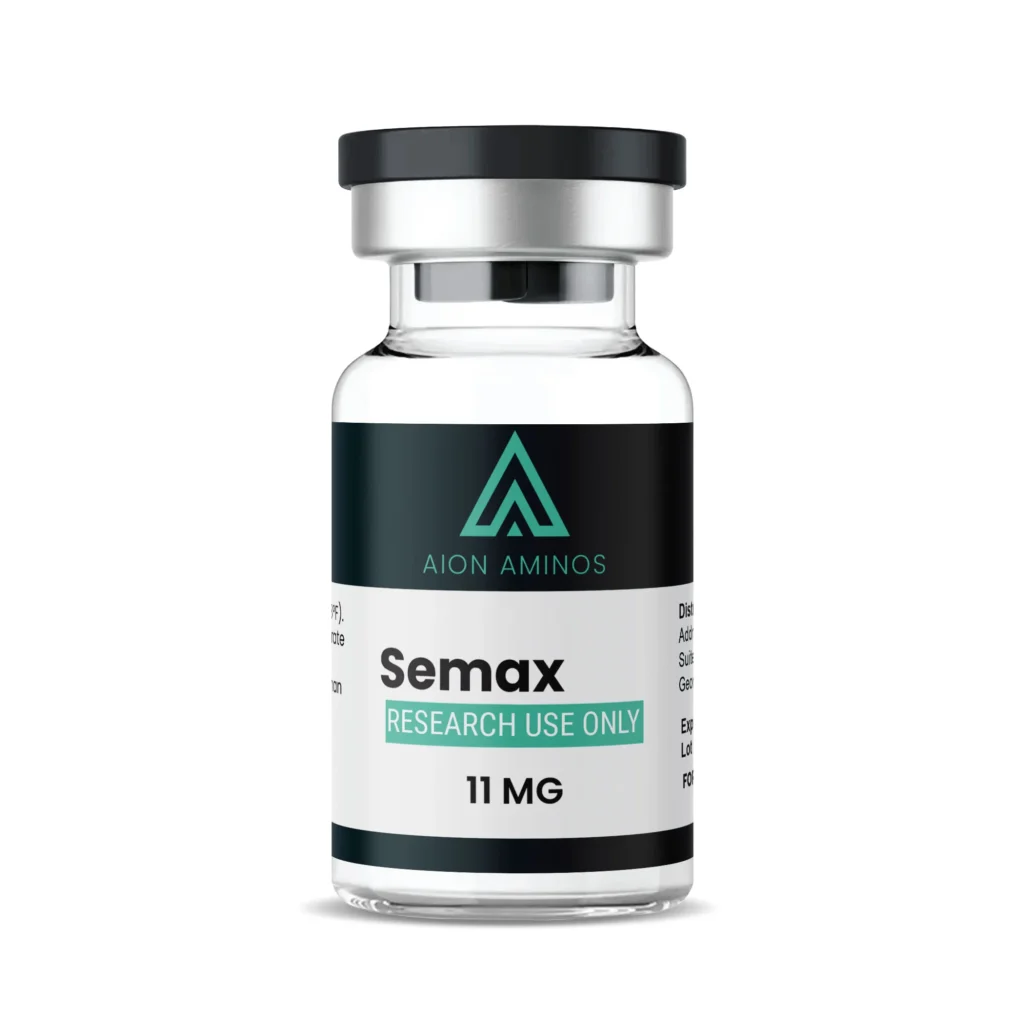
Semax is a synthetic peptide derived from a fragment of adrenocorticotropic hormone (ACTH) and studied in laboratory research examining neurotrophic signaling pathways, neurotransmitter regulation, and neuroendocrine communication networks. As a research peptide investigated across experimental biology, semax is used by researchers exploring how peptide signaling molecules influence brain communication within the central nervous system. Because […]
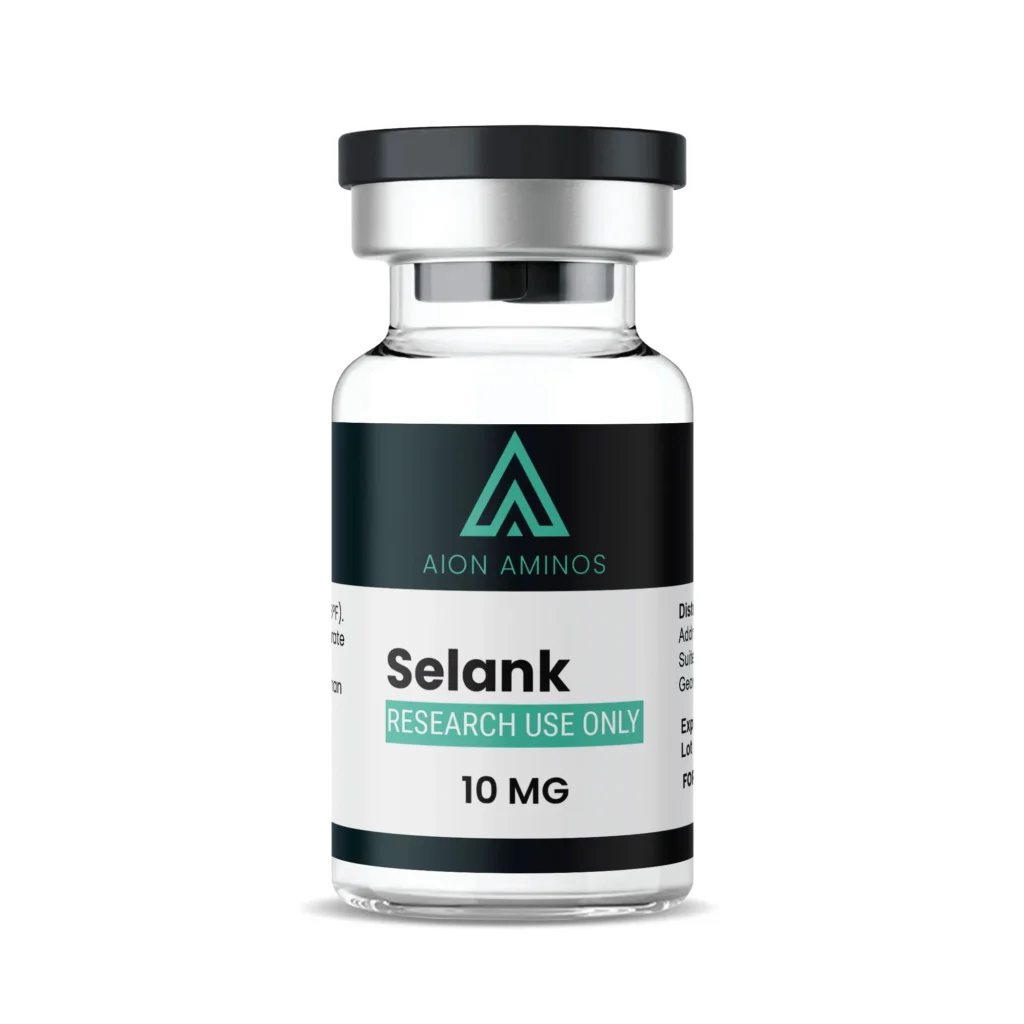
Selank is a synthetic peptide studied in laboratory research examining neurotransmitter signaling, neuroendocrine communication, and stress-response pathways. Derived from the endogenous immune peptide tuftsin, selank is investigated in experimental biology as a tool for understanding how peptide signaling molecules interact with the central nervous system. Because the nervous system relies on complex signaling molecules to […]
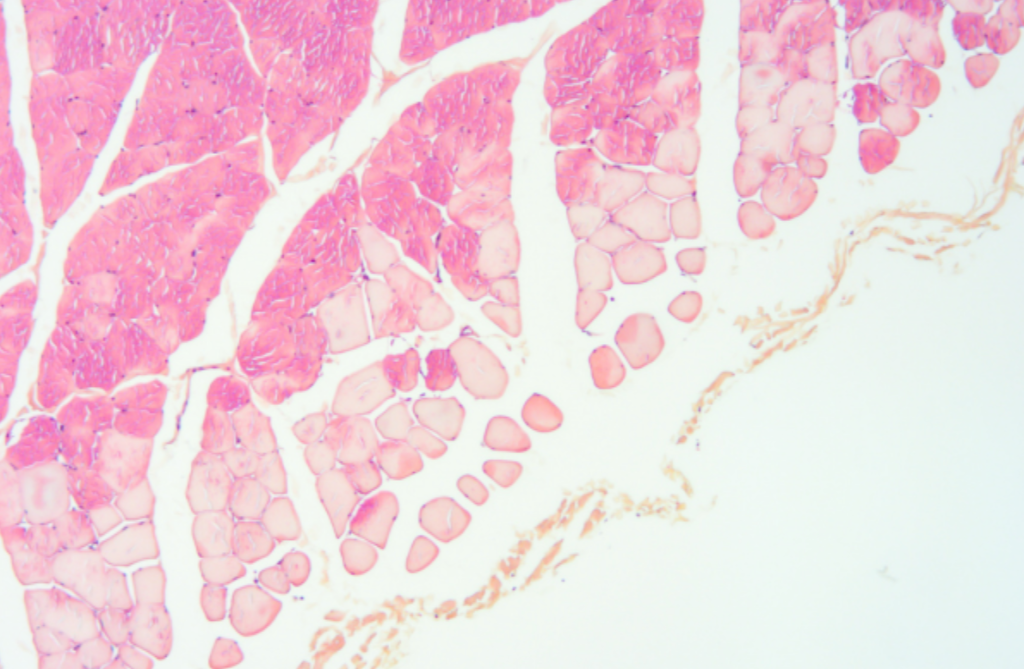
Introduction The Angiogenesis Signaling Pathway is one of the most important biological systems involved in vascular development, tissue adaptation, and cellular communication. Angiogenesis refers to the process through which new blood vessels develop from pre existing blood vessels, allowing tissues to receive oxygen, nutrients, and an adequate blood supply. Researchers studying vascular biology frequently investigate […]
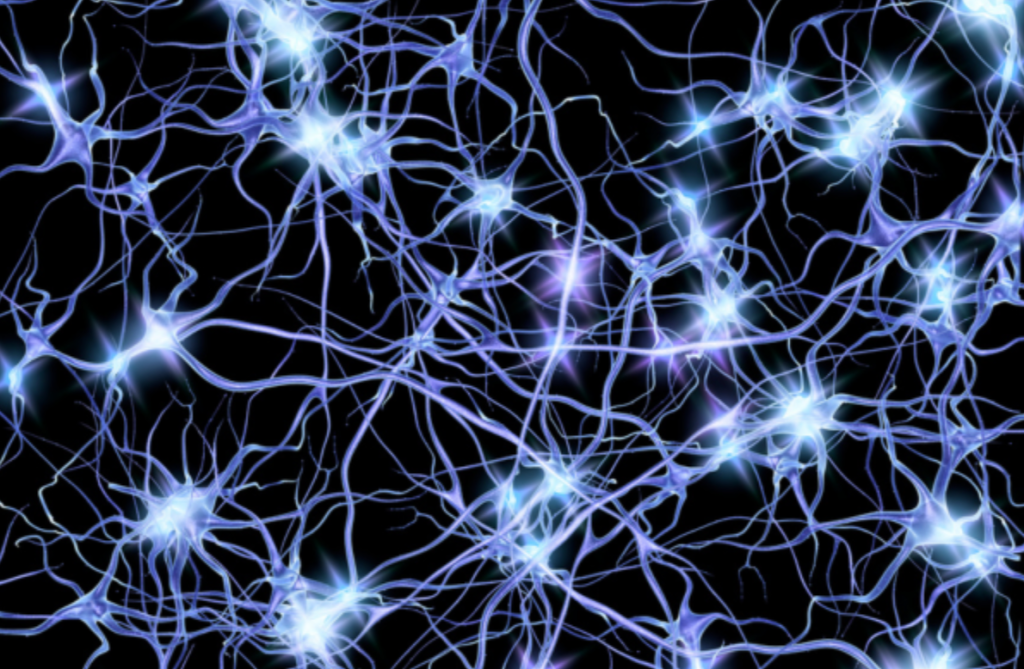
Introduction What is growth hormone? Growth hormone (GH) is a naturally occurring peptide hormone produced by specialized cells within the anterior pituitary gland. As one of the body’s most important endocrine signaling molecules, growth hormone helps regulate numerous biological processes related to growth, metabolism, cellular communication, and tissue maintenance. Researchers studying endocrine biology frequently investigate […]
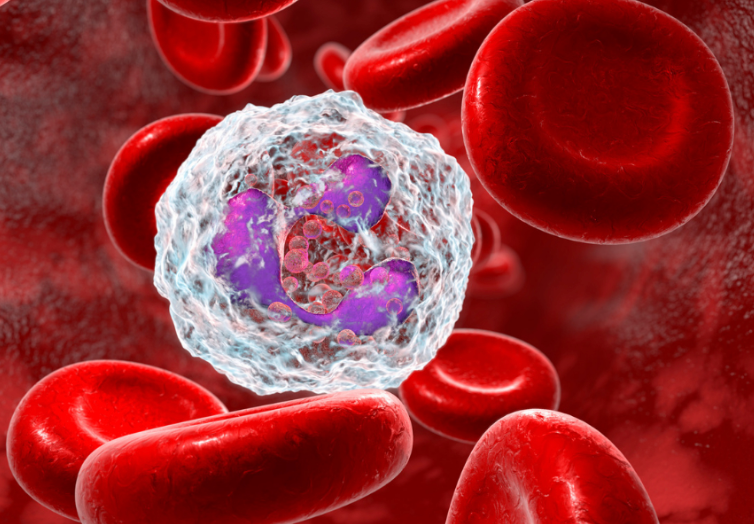
Introduction The study of peptides for immune system research has become an increasingly important area within immunology, cellular biology, and inflammatory signaling science. The immune system relies on highly coordinated communication networks involving signaling molecules, receptors, cytokines, and specialized immune cells that work together to maintain biological balance. Researchers investigating immune function frequently examine peptide-based […]

Introduction The search for effective peptides for metabolism has led researchers to explore a growing number of signaling molecules involved in cellular energy regulation, mitochondrial communication, and metabolic adaptation. Modern metabolism research focuses on how cells produce energy, regulate nutrient utilization, and respond to changes in environmental and physiological conditions. Scientists now understand that metabolism […]

Introduction Longevity peptides are an emerging area of scientific investigation focused on molecular signaling systems involved in aging, cellular stress adaptation, and metabolic regulation. Researchers studying aging biology examine how specific signaling molecules influence cellular function, mitochondrial communication, and tissue resilience over time. Aging is not controlled by a single biological mechanism. Instead, it involves […]