Introduction
Tissue repair peptides are widely studied in regenerative medicine for their role in cellular signaling pathways related to wound healing, tissue regeneration, and structural repair. These peptides function as signaling molecules that help researchers understand how cells coordinate the complex processes involved in healing, recovery, and adaptation following tissue damage.
The biological processes underlying tissue repair involve tightly regulated interactions between immune signaling, extracellular matrix remodeling, and vascular adaptation. In experimental research, certain peptides are investigated for how they influence pathways associated with cellular repair, connective tissue organization, and structural regeneration.
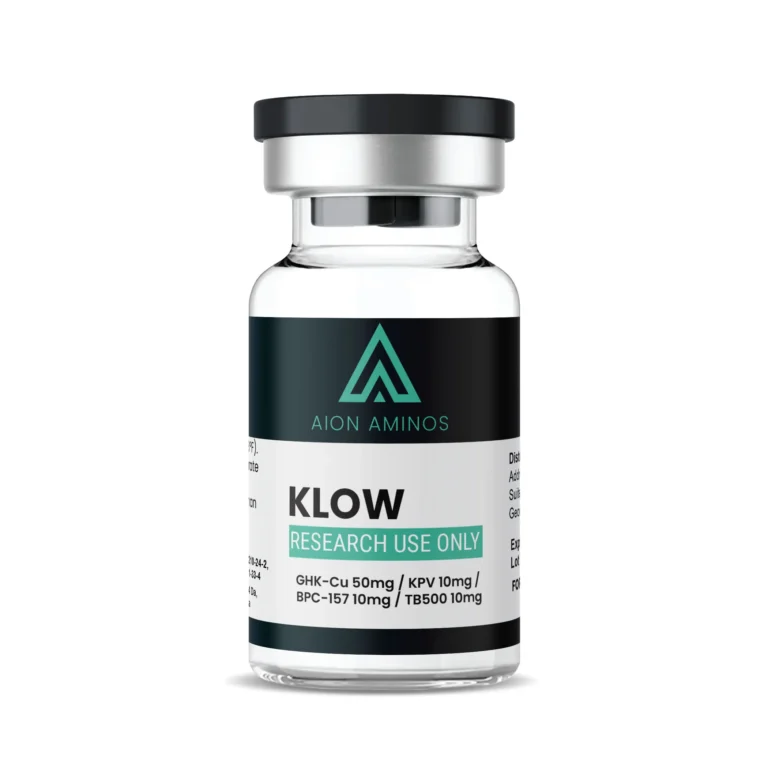
Among the most studied tissue repair peptides are:
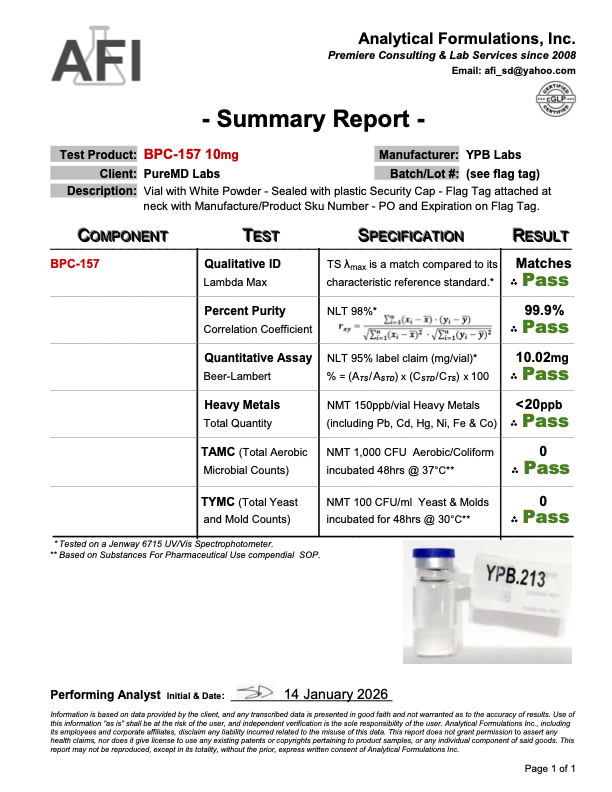
- BPC-157 (body protection compound)
- TB-500 (a fragment of thymosin beta-4)
- GHK-Cu (a naturally occurring copper peptide)
Although structurally different, these peptides are explored in research models focused on injury, injury repair, and biological systems involved in tissue healing.
Biological Foundations of Tissue Repair
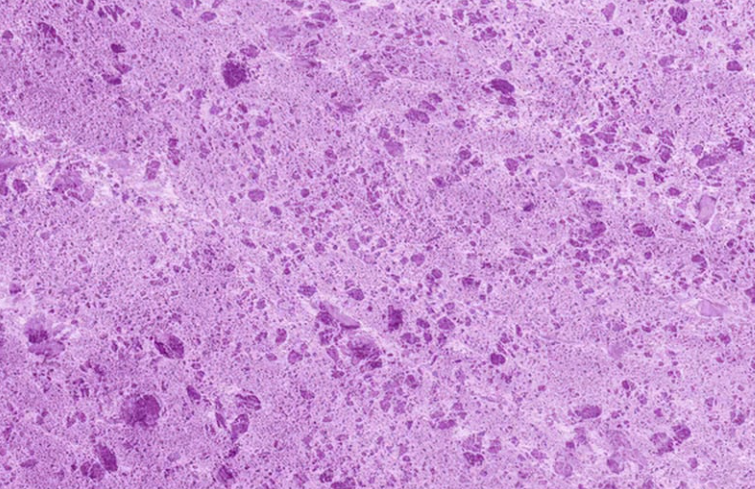
The healing process involves multiple overlapping phases that contribute to tissue regeneration and structural restoration following injury.
Inflammatory Signaling
Following tissue damage, immune signaling pathways activate the release of inflammatory cytokine molecules. These signals recruit immune cells and coordinate early repair responses.
Cellular Migration
Cells such as fibroblasts and endothelial cells migrate toward damaged tissue, guided by cytoskeletal signaling pathways. This process is essential for wound repair and cellular repair.
Angiogenesis
Angiogenesis, the formation of new blood vessels, supports healing by delivering oxygen and nutrients to regenerating tissue.
Extracellular Matrix Remodeling
Structural proteins such as collagen are reorganized during tissue repair, influencing collagen synthesis, collagen production, and the architecture of connective tissue.
These processes are central to research involving wound healing, regeneration, and biological adaptation.
BPC-157
A Peptide Studied for Vascular and Cellular Signaling
BPC-157 is a synthetic peptide derived from a protein found in gastric tissue. It is frequently studied in models involving tissue repair, vascular signaling, and cellular migration.
Mechanism of Action (Research Context)
Research has examined BPC-157 in several signaling pathways:
VEGF and Angiogenesis Signaling
BPC-157 is studied in relation to vascular endothelial growth factor (VEGF), which regulates angiogenesis and endothelial cell behavior during healing and recovery.
Nitric Oxide Signaling
Nitric oxide pathways influence vascular tone and are studied in relation to tissue repair and blood flow regulation.
FAK–Paxillin Signaling
This pathway regulates cell adhesion and migration, key components of injury recovery and connective tissue organization.
ERK/MAPK Pathway
Associated with cellular growth and transcriptional signaling during repair and structural adaptation.
TB-500
A Thymosin-Derived Peptide
TB-500 is a fragment of thymosin beta-4, a naturally occurring peptide involved in actin regulation and cytoskeletal organization.
Mechanism of Action (Research Context)
TB-500 is studied for its interaction with G-actin, influencing:
- Cell migration
- Cytoskeletal dynamics
- Tissue regeneration signaling
Because actin is essential for cell movement, TB-500 is often examined in models involving soft tissue, tendon repair, and muscle repair pathways.
GHK-Cu
A Copper Peptide in Tissue Signaling
GHK-Cu is a naturally occurring copper peptide composed of three amino acids bound to a copper ion. It is found in biological fluids and studied for its role in extracellular matrix signaling.
Mechanism of Action (Research Context)
Gene Expression Regulation
GHK-Cu is studied for its influence on genes associated with collagen, extracellular matrix structure, and collagen synthesis.
Copper-Dependent Enzymes
Copper ions play a role in enzymatic processes related to connective tissue structure and repair.
Angiogenesis and Tissue Signaling
GHK-Cu is also examined in pathways involved in vascular adaptation and tissue healing.
Angiogenesis and Tissue Signaling
Angiogenesis is essential for wound healing, tissue regeneration, and repair. It involves signaling pathways such as:
- VEGF signaling
- Nitric oxide pathways
- Integrin signaling
These pathways regulate endothelial cell migration and vascular development, supporting healing, recovery, and structural adaptation.
Key Differences Between BPC-157, TB-500, and GHK-Cu
| Peptide |
Primary Research Focus |
Mechanistic Pathways |
| BPC-157 |
Vascular signaling, migration |
VEGF, nitric oxide, FAK-paxillin |
| TB-500 |
Cytoskeletal organization |
Actin regulation |
| GHK-Cu |
Extracellular matrix signaling |
Gene expression, copper transport |
These distinctions allow researchers to study different aspects of tissue repair peptides and their roles in biological systems.
Tissue Repair Peptides in Research Context
In regenerative medicine, tissue repair peptides are studied for their influence on:
- Wound healing and wound repair
- Tissue regeneration and structural organization
- Cellular migration and cellular repair
- Collagen production and extracellular matrix remodeling
These pathways are also relevant to experimental models involving:
- Muscle recovery and joint recovery
- Injury repair and systemic recovery
- Adaptation to chronic inflammation and inflammation signaling
While discussions may reference terms such as faster healing, anti inflammatory effects, or best peptides, these remain within experimental and theoretical research frameworks.
Peptides vs Commercial Contexts
It is important to distinguish research-grade peptides from consumer discussions involving:
- Peptide therapy
- IV therapy
- Physical therapy integration
- Hormone replacement
- Performance-related recovery claims
These applications are often discussed broadly but are separate from controlled laboratory research.
Why Researchers Study Tissue Repair Peptides
Tissue repair peptides provide insight into how biological systems coordinate:
- Healing and repair processes
- Cellular migration and structural organization
- Angiogenesis and vascular adaptation
- Extracellular matrix remodeling
These processes are fundamental to maintaining tissue integrity and understanding how the body responds to injury, tissue damage, and structural stress.
Summary
Tissue repair peptides such as BPC-157, TB-500, and GHK-Cu are widely studied in research exploring wound healing, tissue regeneration, and cellular signaling.
Although each peptide interacts with different pathways, they share a common role in influencing biological systems involved in:
- Healing
- Recovery
- Structural repair
- Cellular communication
As research advances, these peptides remain important tools for understanding the mechanisms underlying tissue repair and regeneration.
Research Use Disclaimer
This article is provided for scientific and educational discussion only.
All peptides referenced are intended for laboratory research use and are not approved by the FDA for human or veterinary use unless explicitly stated. They are not drugs and are not intended to diagnose, treat, cure, or prevent any disease.