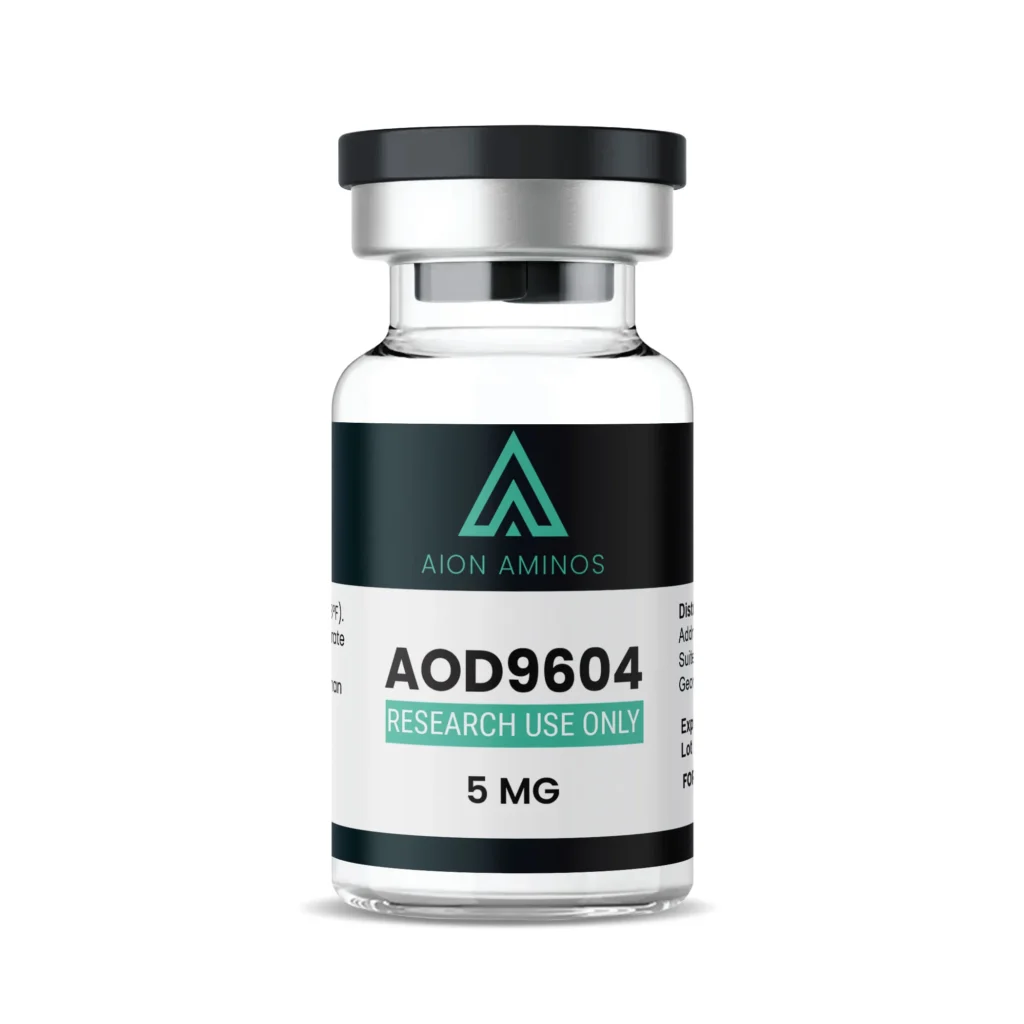
AOD-9604 is a synthetic 16-amino-acid peptide modeled on the C-terminal end of human growth hormone (hGH): residues 177 to 191 with an added tyrosine at the front. It was developed to study the fat-metabolism activity of growth hormone separately from its growth-promoting effects. This overview covers its structure, the lipid metabolism research behind it, what […]
Short answer: the 10 mL and 30 mL vials hold the same reconstitution solution, sterile water with 0.9% benzyl alcohol. The only differences are volume and cost per mL. Pick the 10 mL vial if you reconstitute a few peptide vials a month. Pick the 30 mL vial if you will use most of the […]
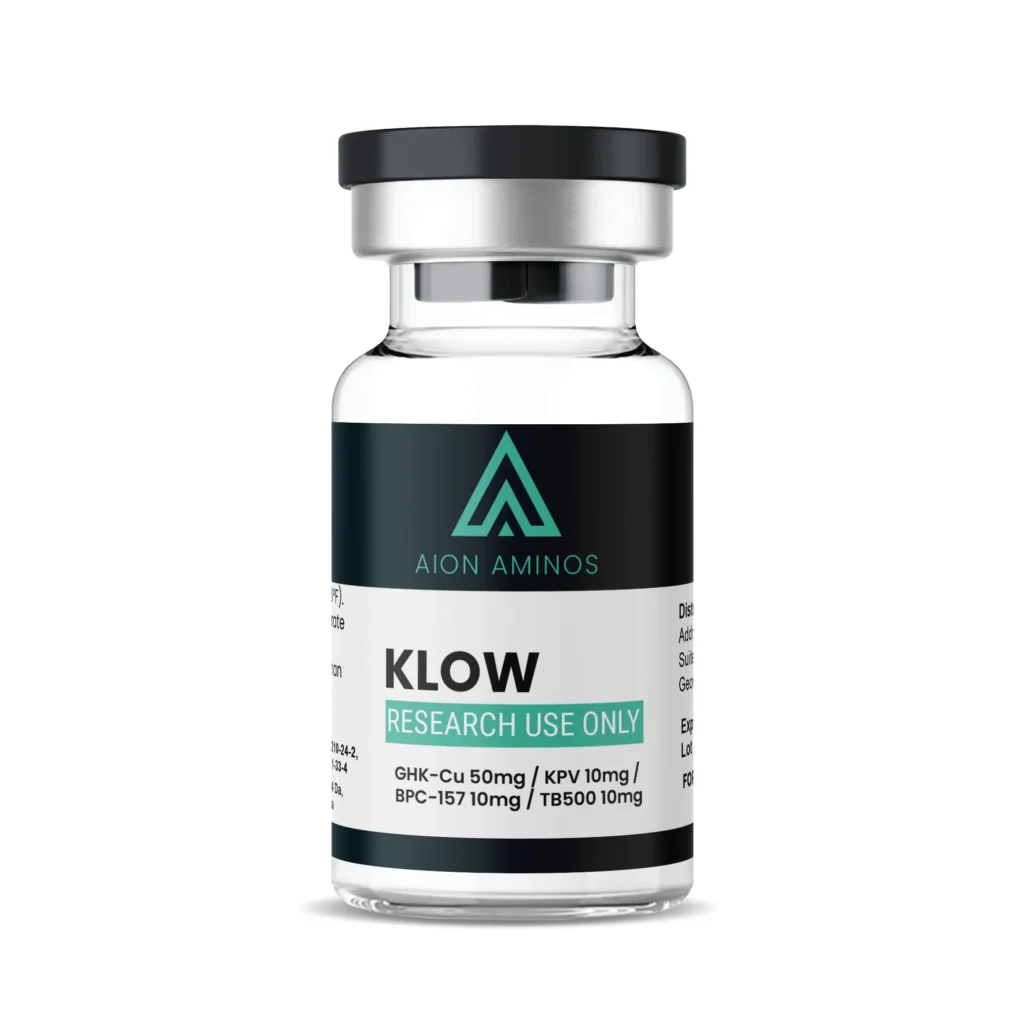
A peptide blend is a single lyophilized vial that holds two or more research peptides at fixed, labeled amounts. Instead of reconstituting several separate vials, a lab works from one vial with a known ratio of each component. This guide explains why labs use blends, how a research blend is put together and verified, and […]
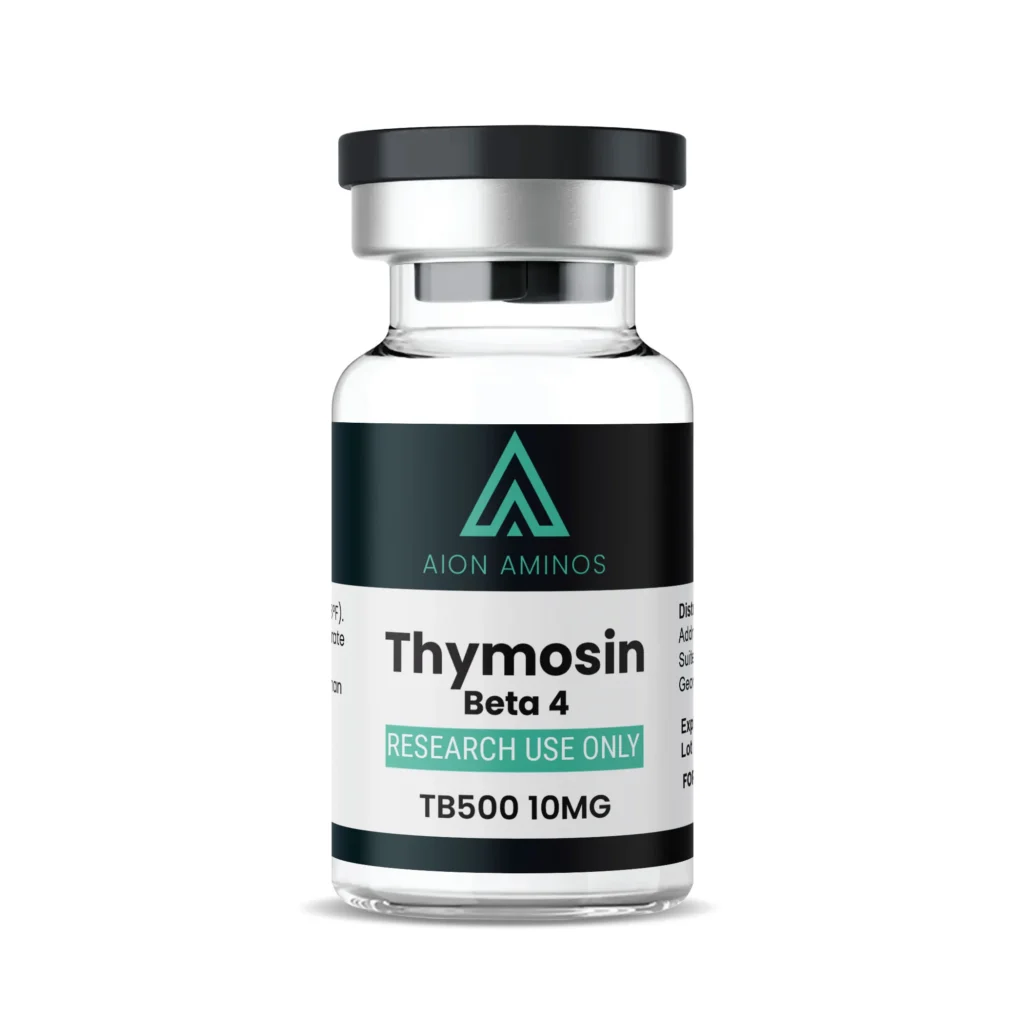
Thymosin beta 4 (Tβ4) is a naturally occurring 43-amino-acid peptide found in nearly every nucleated mammalian cell. It is the main intracellular buffer of monomeric actin, and researchers study it in preclinical models of cell migration, blood vessel formation and tissue repair. This overview covers its structure, how it behaves in research models, what the […]
What the KLOW peptide blend contains, how each of its four components is studied in laboratory models, and what the research does and does not show.
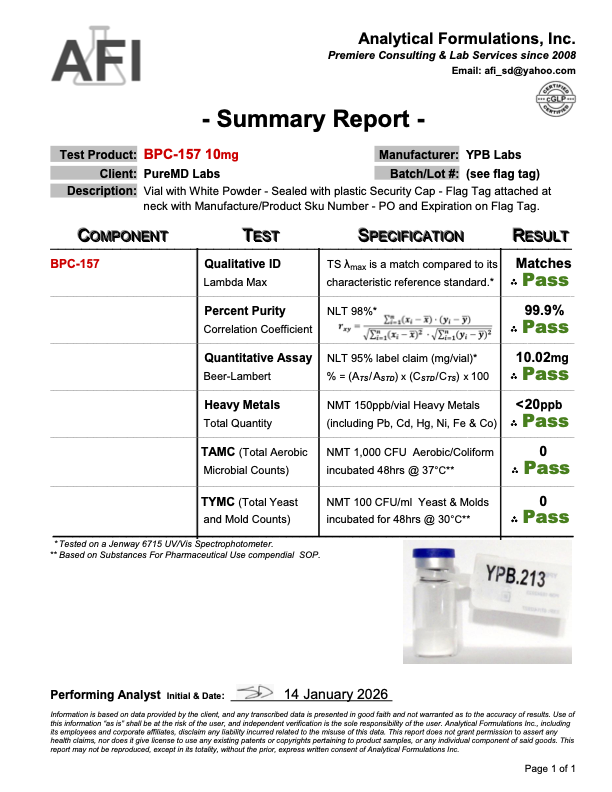
A practical guide to peptide certificates of analysis: what HPLC, mass spectrometry and UV-Vis results mean, how to read purity and assay numbers, and which red flags to watch for.
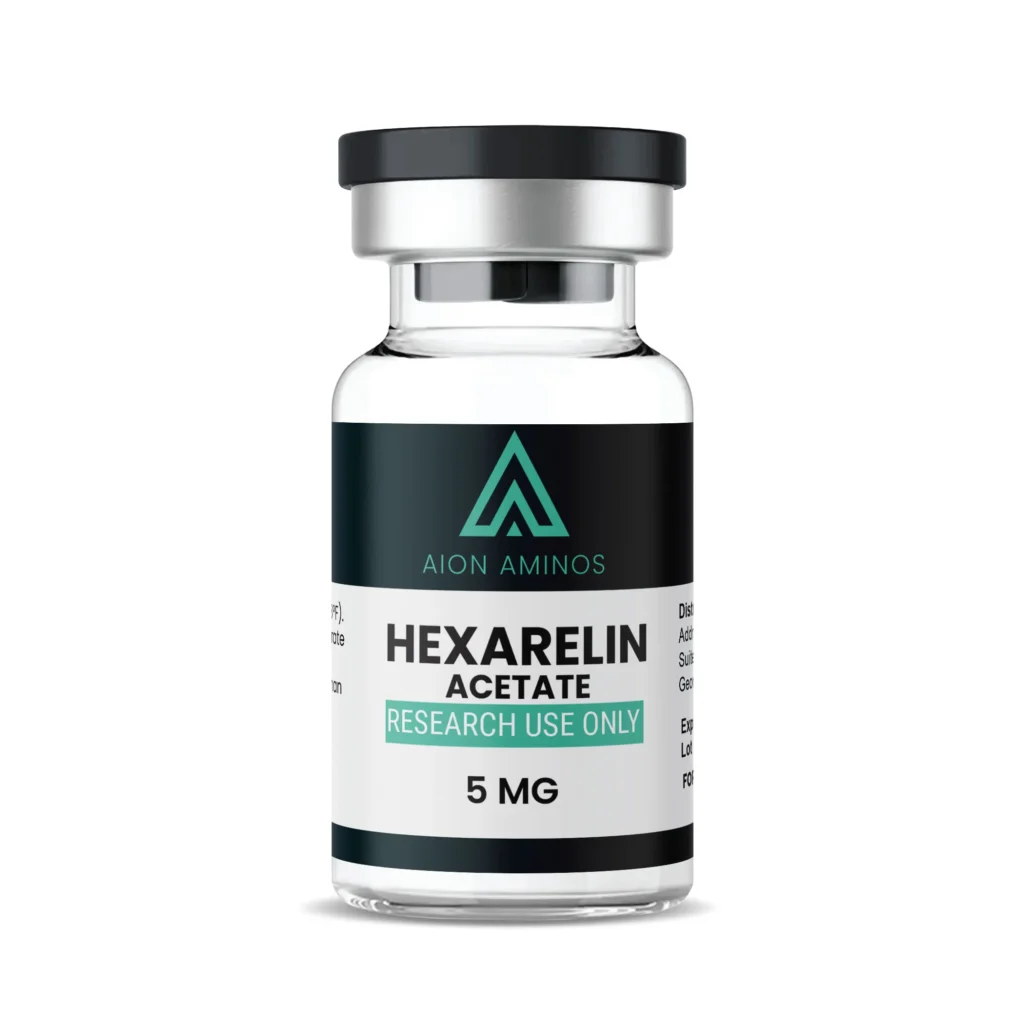
Hexarelin acetate explained for researchers: structure, receptor targets including GHS-R1a and CD36, key preclinical findings and the limits of the evidence.
What reconstitution solution is, how it compares with bacteriostatic water and sterile water, and how to handle and store lyophilized research peptides in the lab.
Introduction What are peptides? Peptides are short chains of amino acid molecules linked together by a peptide bond, functioning as essential biological signaling messengers. These molecules play a central role in communication between cells, influencing systems such as metabolism, immune response, and hormone regulation. In modern molecular biology, understanding what are peptides is critical because […]