
$87.00
You’ll be briefly redirected to Link Money, our secure ACH payment partner, to connect your bank and complete payment.
– Your bank login is never visible to or stored by us
– Encrypted, bank-level security
– A standard, trusted payment process
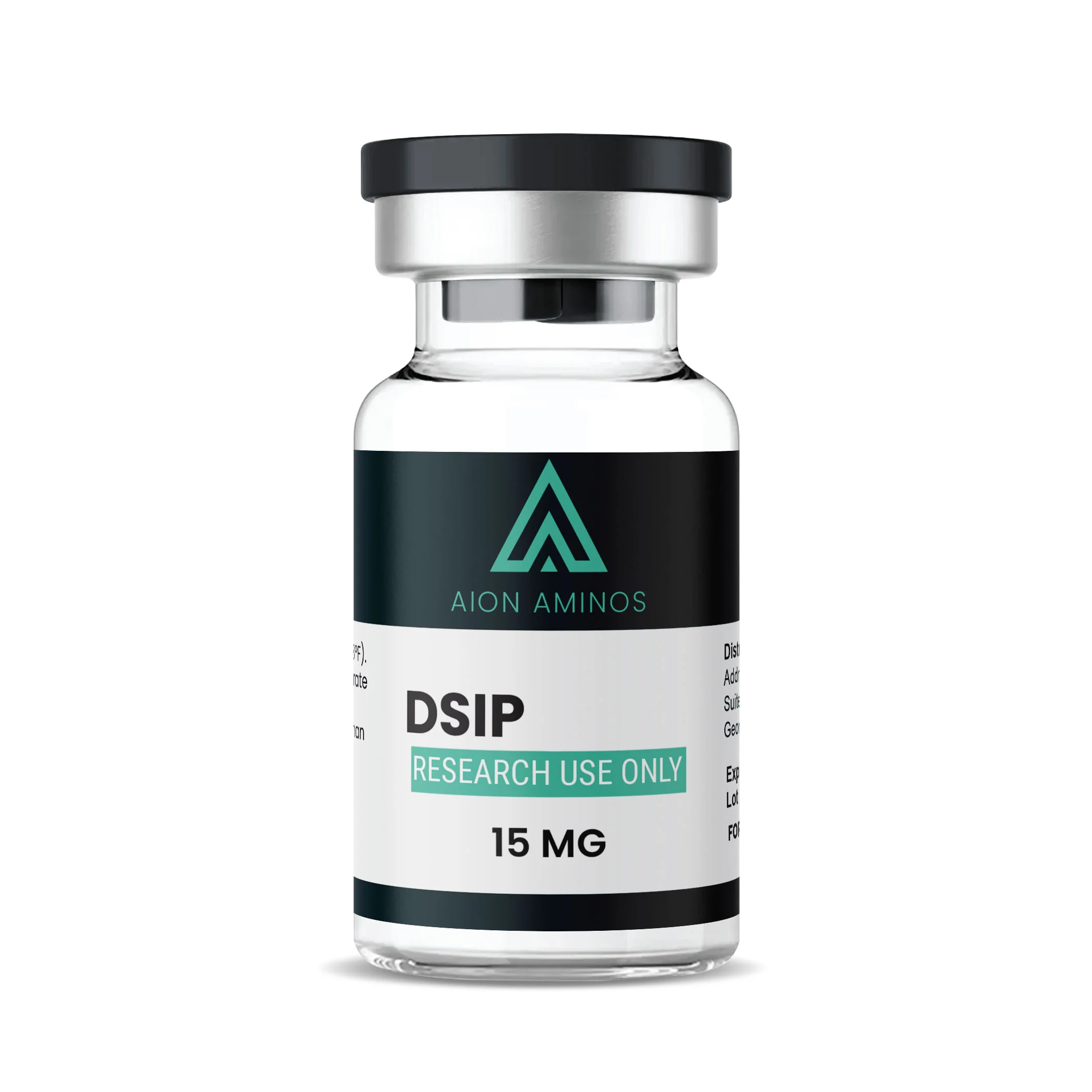
In laboratory environments, DSIP peptide is studied for its role in neurobiological signaling pathways associated with sleep-wake cycle regulation and circadian timing. Researchers frequently examine how DSIP interacts with central nervous system signaling networks involved in slow-wave sleep and sleep architecture.
Experimental studies often analyze how this peptide influences neuroendocrine communication pathways related to circadian rhythm alignment and hormonal signaling. These investigations commonly explore relationships between sleep-associated signaling and broader biological processes involved in rest and recovery.
Scientific literature also examines DSIP in experimental frameworks involving stress signaling, neuroendocrine regulation, and cellular communication within brain-related pathways. These studies remain confined strictly to laboratory research contexts and do not represent approved medical or therapeutic applications.
Delta Sleep–Inducing Peptide (DSIP) is primarily studied for its role in sleep regulation, particularly delta wave activity associated with deep, restorative sleep. Research examines how DSIP may influence sleep architecture, REM cycles, circadian rhythms, and neurochemical signaling pathways involved in inhibitory neurotransmission. These studies are strictly experimental and focused on understanding sleep mechanisms.
Yes. DSIP frequently appears in preclinical research exploring stress response, emotional regulation, and behavioral outcomes linked to disrupted sleep. Some studies also investigate DSIP indirectly in pain and chronic pain models, primarily by evaluating how sleep quality and stress modulation affect pain perception rather than through direct analgesic effects.
DSIP research is typically conducted using controlled animal models, most commonly rats and rabbits. These studies evaluate sleep patterns, delta wave activity, hormonal signaling, withdrawal symptoms, and behavioral responses. Research also explores whether DSIP interacts with central nervous system pathways, including investigations into its relationship with the blood-brain barrier.
No. DSIP is not approved for human consumption, medical treatment, or therapeutic use in the United States. Any references to DSIP injections, intravenous use, or therapy exist only in historical or experimental literature. For research purposes, DSIP is supplied as a lyophilized peptide and handled according to institutional laboratory protocols, without dosing or administration guidance.
New to Aion? Use the code below at checkout and save 25% on your first purchase.
Valid on first purchase only. One use per customer. Cannot be combined with other offers.