$137.00
You’ll be briefly redirected to Link Money, our secure ACH payment partner, to connect your bank and complete payment.
– Your bank login is never visible to or stored by us
– Encrypted, bank-level security
– A standard, trusted payment process
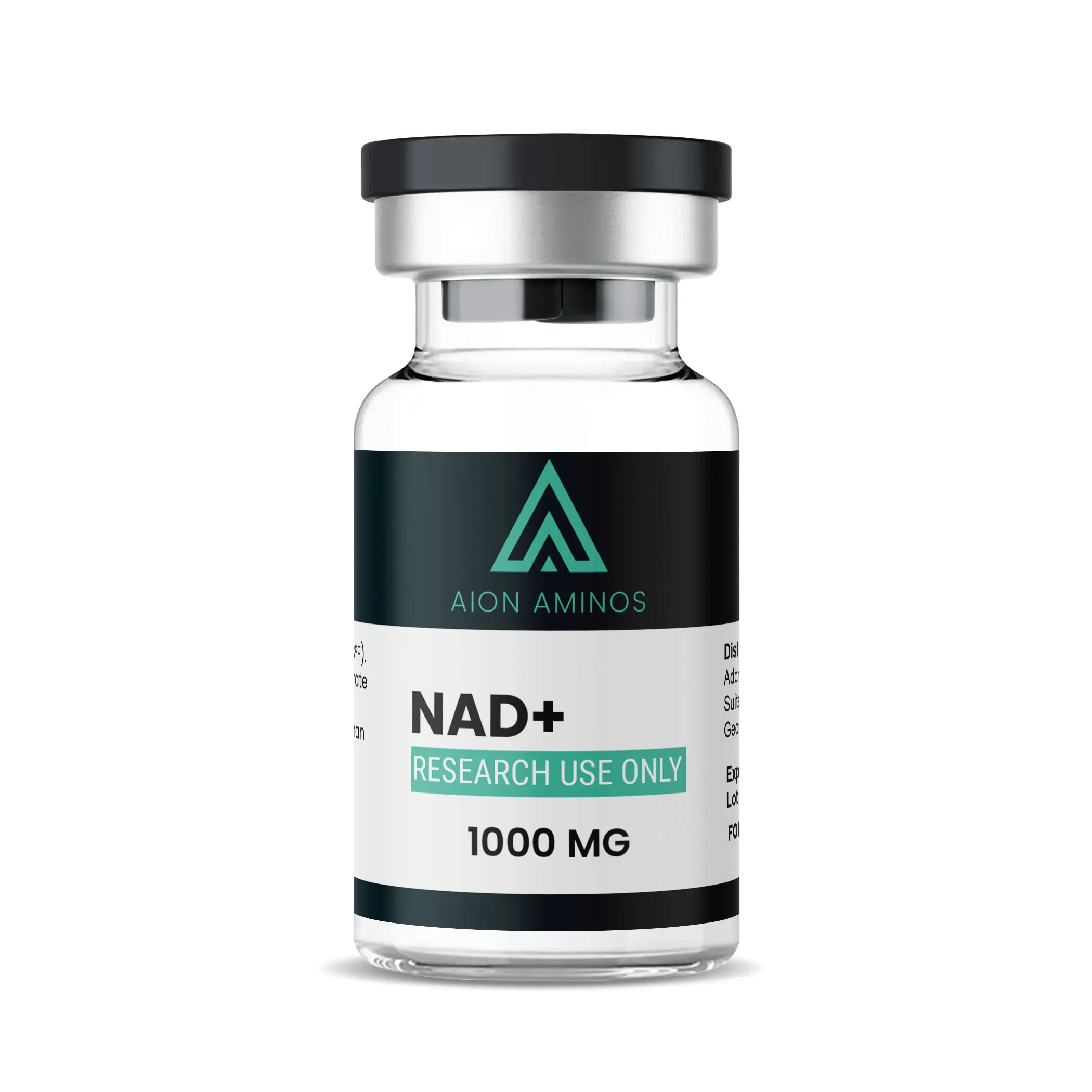
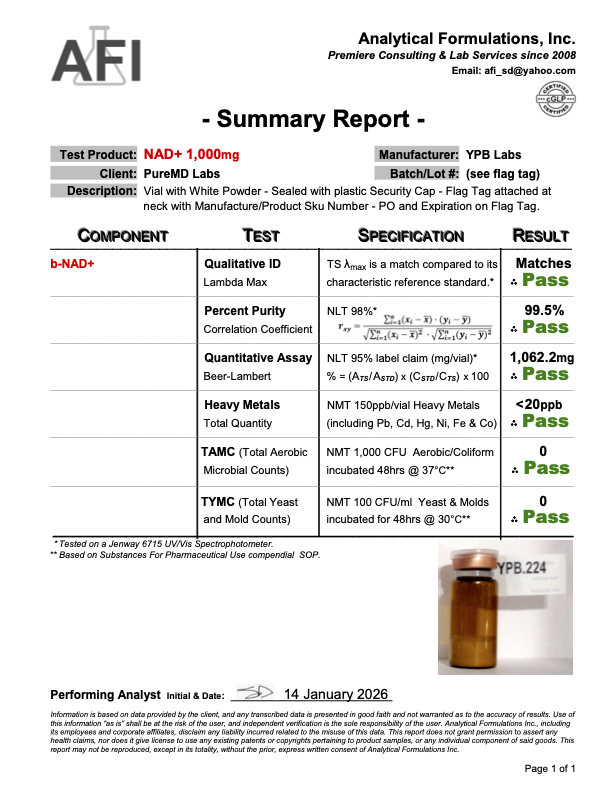
In controlled laboratory environments, NAD+ is studied for its central role in cellular metabolism, cellular energy, and redox balance. Research indexed on Google Scholar frequently examines how cellular NAD influences energy production, mitochondrial signaling, and regulatory pathways associated with oxidative stress.
Scientific investigations evaluate relationships between NAD levels, NAD depletion, and models of aging, including research on the molecular mechanisms underlying the aging process. Laboratory studies explore how fluctuations in NAD metabolism affect DNA repair, cellular response to DNA damage, and experimental frameworks examining cell death signaling.
Publications may also reference experimental systems involving cancer cell metabolism, mitochondrial dysfunction, and theoretical discussions of cell rejuvenation pathways. All such discussions remain limited to mechanistic research contexts and do not represent clinical application.
While scientific literature may discuss NAD supplementation, NAD repletion, or related administration methods such as IV therapy or NAD infusion, this product is supplied strictly for laboratory research use and is not intended for human consumption or medical procedures.
NAD+ (Nicotinamide Adenine Dinucleotide) is a naturally occurring coenzyme found in all living cells and central to metabolism, redox reactions, and cellular energy production. It plays an essential role in mitochondrial function and DNA repair pathways studied in laboratory research.
No. This product is not an NAD supplement, not a dietary supplement, and not NAD boosting supplements. It is provided strictly for research purposes.
No. This compound is not formulated for NAD IV therapy, NAD infusion, or any form of administration. It is supplied exclusively as a research-grade material.
Research indexed on Google Scholar commonly explores NAD levels, NAD metabolism, NAD biosynthesis, oxidative stress, DNA repair,mitochondrial function, and cellular models of aging. Studies also investigate relationships between NAD and precursor compounds such as nicotinamide riboside, nicotinamide mononucleotide, nicotinamide, and nicotinic acid.
New to Aion? Use the code below at checkout and save 25% on your first purchase.
Valid on first purchase only. One use per customer. Cannot be combined with other offers.