
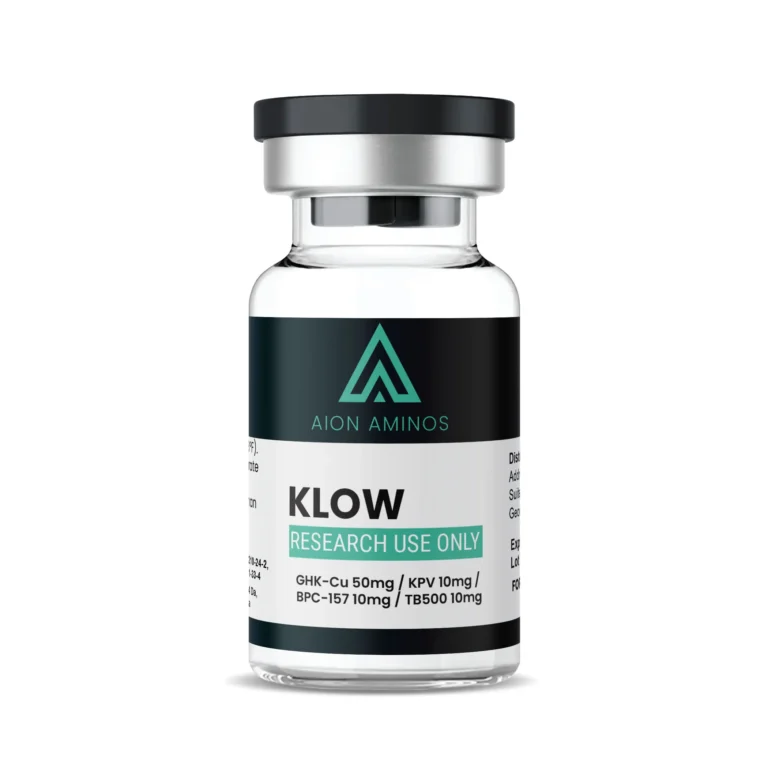
KLOW Peptide Blend: A Research Overview of GHK-Cu, BPC-157, TB-500 and KPV
What the KLOW peptide blend contains, how each of its four components is studied in laboratory models, and what the research does and does not show.
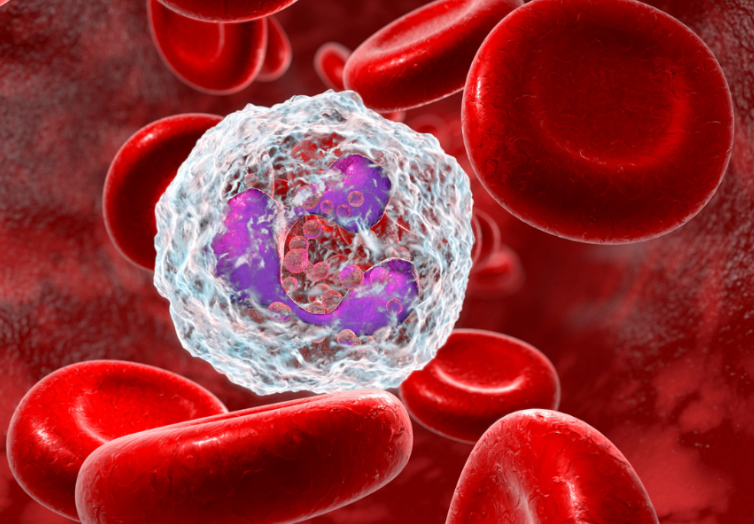
The study of peptides for immune system research has become an increasingly important area within immunology, cellular biology, and inflammatory signaling science. The immune system relies on highly coordinated communication networks involving signaling molecules, receptors, cytokines, and specialized immune cells that work together to maintain biological balance.
Researchers investigating immune function frequently examine peptide-based signaling molecules that participate in immune system regulation, immune modulation, and inflammatory communication pathways. These molecules help scientists better understand how the body coordinates immune response mechanisms, maintains immune homeostasis, and adapts to environmental challenges.
Several widely studied immune peptides include:
Although these compounds originate from different biological systems, they are frequently investigated in research focused on immune support, cellular communication, and inflammatory signaling.
Understanding these key peptides provides insight into the molecular pathways that influence immune health, immune resilience, and the broader biological processes involved in host defense.
The immune system is a complex network of organs, tissues, signaling molecules, and cells that work together to identify and respond to potential threats.
Researchers generally divide immune biology into two primary branches:
Innate immunity serves as the body’s first line of defense.
Components of innate immunity include:
This branch of the immune system responds rapidly to potential challenges and contributes significantly to immune defense.
Adaptive immunity involves highly specialized responses generated after exposure to specific antigens.
Key participants include:
Adaptive immune mechanisms help regulate long-term immunological memory and contribute to overall immune system function.
Because adaptive immunity relies heavily on communication between specialized immune cells, peptide signaling molecules remain a major focus of immunological research.
The immune system must maintain a delicate balance between activation and regulation.
Too little activity may contribute to immune dysfunction, while excessive activity can lead to inflammation, systemic inflammation, or disturbances in immune tolerance.
Researchers therefore study peptide signaling pathways involved in:
Understanding these mechanisms helps scientists investigate how biological systems maintain equilibrium across a wide range of physiological conditions.
The thymus gland plays a critical role in the maturation of T lymphocytes.
Within the thymus, developing immune cells undergo processes that allow them to:
Because thymic signaling is central to adaptive immunity, thymus-derived peptides have become important subjects in peptides for immune system research.
Two prominent examples include:
Thymosin Alpha-1 is a naturally occurring peptide originally isolated from thymic tissue.
Researchers frequently investigate this peptide in experimental models examining immune communication pathways and cellular signaling networks.
Studies involving Thymosin Alpha-1 often focus on:
Research explores how this peptide participates in regulatory processes associated with immune response, immune function, and adaptive immunity.
Because of its role in thymic signaling, Thymosin Alpha-1 remains one of the most studied immune peptides in laboratory research.
Thymalin is a peptide complex derived from thymic tissue and composed of multiple short peptide fragments.
Unlike Thymosin Alpha-1, which represents a specific sequence, Thymalin contains several peptide components that are studied collectively.
Research involving Thymalin commonly examines:
Scientists frequently investigate Thymalin in studies related to immune decline, aging-related changes in immune activity, and immune system regulation.
LL-37 belongs to a family of molecules known as cathelicidins and is classified as an antimicrobial peptide.
Unlike thymic peptides, LL-37 functions as part of the innate immune system and is produced by various epithelial and immune tissues.
Research involving LL-37 frequently explores:
Scientists also investigate how LL-37 influences communication among immune cells and contributes to immune defense signaling networks.
Because LL-37 participates in both antimicrobial activity and cellular communication, it occupies a unique position within immunological research.
KPV is a tripeptide composed of three amino acids:
The peptide is derived from alpha-melanocyte-stimulating hormone (α-MSH), a naturally occurring signaling molecule.
Research involving KPV often focuses on:
Scientists study KPV to better understand how small peptide fragments influence immune communication and inflammatory biology.
One of the most important functions of the immune system is coordinating responses to biological stressors.
Inflammation serves as a normal component of immune activity, but researchers also investigate mechanisms associated with:
Peptides involved in immune signaling provide valuable tools for understanding how inflammatory pathways are activated and controlled.
Antimicrobial peptides are important components of innate immunity.
Examples include:
These molecules contribute to rapid immune defense responses while also participating in signaling processes that regulate broader immune activity.
Research involving antimicrobial peptides helps scientists understand how biological systems respond to microbial challenges and maintain immune homeostasis.
Effective immune responses depend on communication between specialized cells.
Researchers frequently investigate pathways involved in:
Peptides that influence these pathways provide insight into how immune systems coordinate responses across different tissues and biological environments.
As organisms age, changes can occur in immune system function and cellular signaling.
Researchers study peptide signaling to better understand:
These investigations contribute to broader knowledge regarding long-term immune regulation and physiological adaptation.
The field of peptide science includes many categories of compounds beyond immune-focused research.
Examples commonly discussed in scientific literature include:
Other molecules occasionally referenced in broader peptide discussions include:
These compounds involve different biological pathways and are distinct from the immune peptides discussed in this article.
| Peptide | Primary Research Focus | Biological Origin |
| Thymosin Alpha-1 | T-cell signaling pathways | Thymic peptide |
| Thymalin | Immune system regulation | Thymic peptide complex |
| LL-37 | Antimicrobial defense signaling | Innate immune peptide |
| KPV | Inflammatory signaling pathways | α-MSH derivative |
These differences allow researchers to explore multiple dimensions of immune biology.
Researchers study peptides for immune system investigations because they provide insight into how biological systems coordinate defense, regulation, and communication.
Areas of interest include:
These studies help advance scientific understanding of how the immune system maintains balance and responds to changing biological conditions.
Peptides for immune system research represent an important area of modern immunology. Compounds such as Thymosin Alpha-1, Thymalin, LL-37, and KPV are studied for their interactions with pathways involved in immune system regulation, immune response, immune support, and inflammatory signaling.
Although these peptides differ in biological origin and mechanism, they collectively provide valuable tools for investigating the molecular processes that govern immune function, immune health, and the communication networks that help maintain immune homeostasis.
This article is provided for scientific and educational discussion only.
Compounds referenced within the Aion Aminos Research Library are research materials and are not approved by the FDA for human or veterinary use unless explicitly stated under applicable regulatory frameworks. They are not drugs and are not intended to diagnose, treat, cure, or prevent any disease.
What the KLOW peptide blend contains, how each of its four components is studied in laboratory models, and what the research does and does not show.
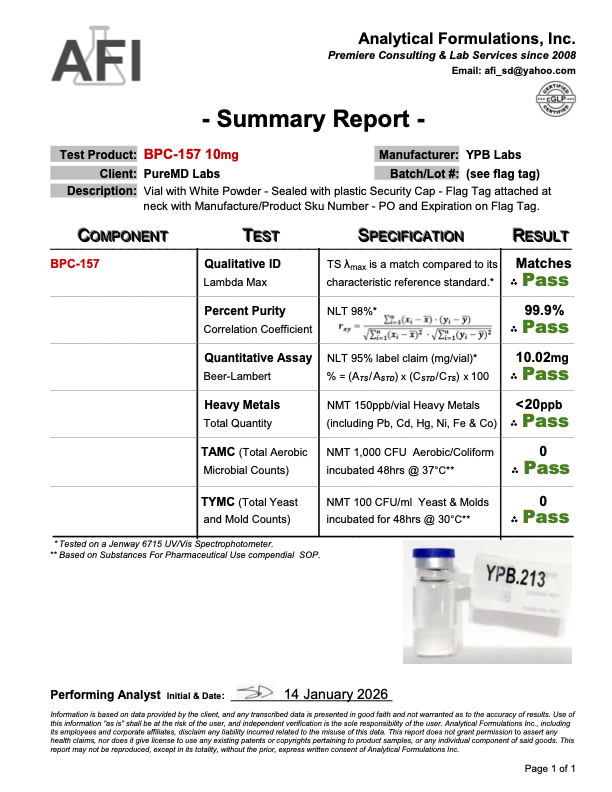
A practical guide to peptide certificates of analysis: what HPLC, mass spectrometry and UV-Vis results mean, how to read purity and assay numbers, and which red flags to watch for.
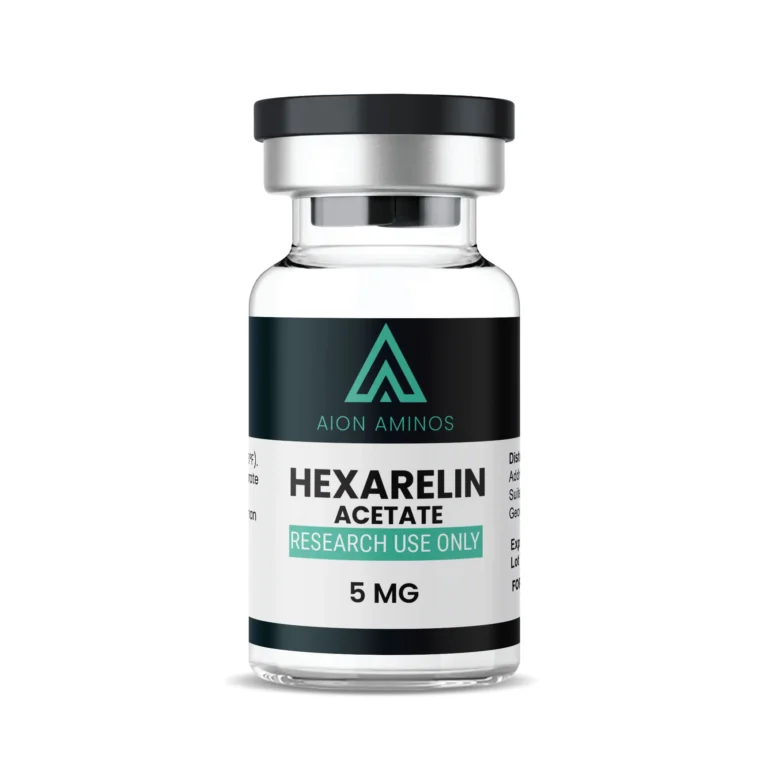
Hexarelin acetate explained for researchers: structure, receptor targets including GHS-R1a and CD36, key preclinical findings and the limits of the evidence.
New to Aion? Use the code below at checkout and save 25% on your first purchase.
Valid on first purchase only. One use per customer. Cannot be combined with other offers.