
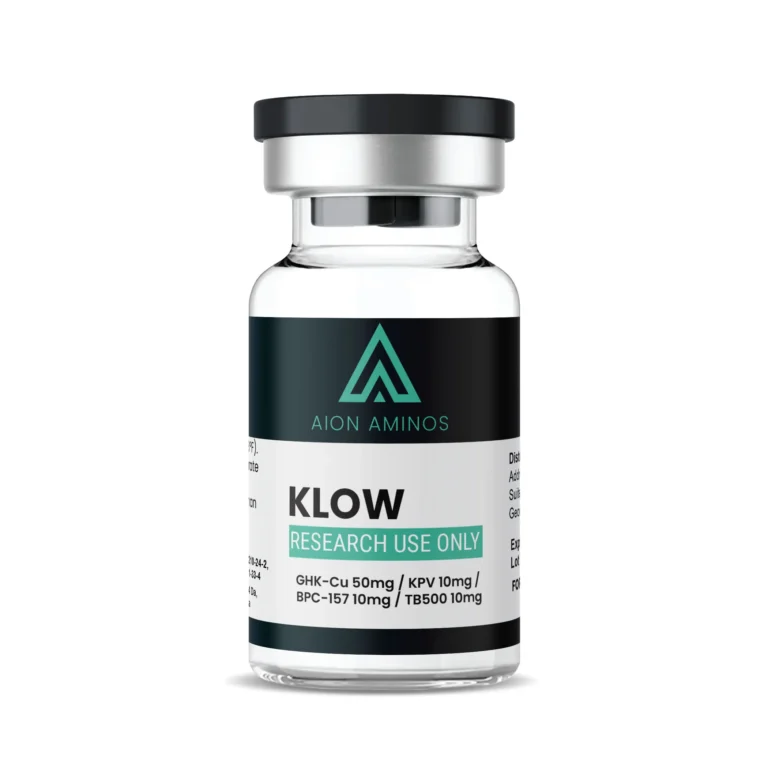
KLOW Peptide Blend: A Research Overview of GHK-Cu, BPC-157, TB-500 and KPV
What the KLOW peptide blend contains, how each of its four components is studied in laboratory models, and what the research does and does not show.

The human brain relies on highly coordinated molecular signaling systems to regulate cognition, memory, learning, and behavioral responses to stress. Among the most important signaling molecules in the nervous system are peptides, short chains of amino acid sequences that act as chemical messengers between brain cells.
In recent years, research has increasingly focused on nootropic peptides, a category of research peptides studied for their interaction with neural signaling pathways involved in cognitive function, brain function, and neuroplasticity. These compounds are sometimes discussed alongside broader concepts like peptide therapy, cognitive enhancers, and even smart drugs, though their primary role remains within experimental neuroscience.
Some of the most frequently studied nootropic peptides include:
Although structurally distinct, these peptides are investigated for their effects on signaling pathways related to memory formation, synaptic plasticity, and neural communication.
Nootropic peptides are molecules studied for their role in neurobiological signaling systems that influence cognitive function, memory, and neural adaptability. Unlike classical neurotransmitters such as dopamine or serotonin, a nootropic peptide often acts as a neuromodulator—affecting multiple signaling pathways rather than directly transmitting electrical signals.
These peptides are studied for their influence on:
Because of these roles, nootropic peptides are an important area of study in neuroscience, particularly in research related to cognitive decline, brain aging, and neural adaptation.
Neuroplasticity refers to the brain’s ability to reorganize itself by forming new neural connections. This process is essential for:
Key signaling molecules involved in neuroplasticity include:
These molecules regulate neuronal survival, synaptic density, and communication between brain cells, making them central to research on cognition and brain function.
Semax is a synthetic peptide derived from a fragment of adrenocorticotropic hormone (ACTH 4–10), modified to preserve neuroactive signaling without endocrine activity.
In research, Semax is frequently studied as a cognitive peptide due to its interaction with neurotrophic signaling pathways.
Semax has been studied for its influence on:
These pathways are associated with memory, cognitive clarity, and neural signaling efficiency in experimental models.
Selank is a synthetic peptide derived from tuftsin, a naturally occurring immune signaling molecule. It is studied for its role in linking immune and neurological systems.
Selank is frequently examined for its interaction with:
GABA plays a central role in regulating neuronal excitability, stress responses, and behavioral balance. Because of this, Selank is often studied in models involving cognitive function, memory, and stress-related neural signaling.
Dihexa is a peptide-derived compound studied for its interaction with hepatocyte growth factor (HGF) and its receptor, c-Met.
Research suggests Dihexa may influence:
These processes are directly related to synaptic plasticity, memory formation, and structural changes in neural circuits.
Nootropic peptides interact with major neurotransmitter systems that regulate brain chemicals and neural communication.
Involved in motivation, reward signaling, and executive function.
Regulates mood, behavior, and stress adaptation.
Acts as the primary inhibitory neurotransmitter, maintaining neural balance.
Through indirect signaling, peptides can influence these systems, affecting pathways related to cognitive function, memory, and behavioral regulation.
It is important to distinguish between nootropic peptides and consumer products such as:
While these products are often marketed as cognitive enhancers, research-grade peptides are studied under controlled laboratory conditions.
Similarly, terms such as:
are commonly used in consumer contexts but do not apply to scientific classification or validated outcomes.
In research discussions, peptides may be referenced alongside delivery formats such as:
These references are part of experimental design considerations and do not imply approved use.
Nootropic peptides are valuable tools because of their specificity and ability to target distinct signaling pathways in the nervous system.
They are studied to better understand:
Research in this field contributes to a broader understanding of brain health, brain function, and adaptive neural processes.
Beyond cognition, some peptides are studied for their interaction with:
These studies remain within experimental frameworks and are not equivalent to approved applications.
Nootropic peptides represent an evolving field of neuroscience research focused on how peptides regulate neural signaling, memory, and cognitive function.
Compounds such as Semax, Selank, and Dihexa are studied for their interaction with:
Although often discussed in contexts like peptide therapy or cognitive enhancers, these compounds remain research tools used to explore the biological foundations of cognition, neuroplasticity, and brain function.
This article is provided for scientific and educational discussion only.
All peptides referenced are intended for laboratory research use and are not approved by the FDA for human or veterinary use unless explicitly stated. They are not drugs and are not intended to diagnose, treat, cure, or prevent any disease.
What the KLOW peptide blend contains, how each of its four components is studied in laboratory models, and what the research does and does not show.
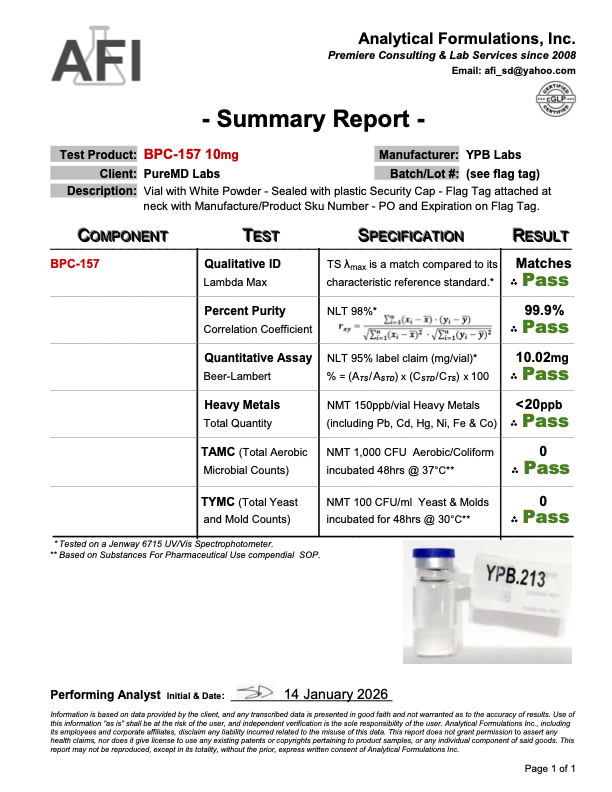
A practical guide to peptide certificates of analysis: what HPLC, mass spectrometry and UV-Vis results mean, how to read purity and assay numbers, and which red flags to watch for.
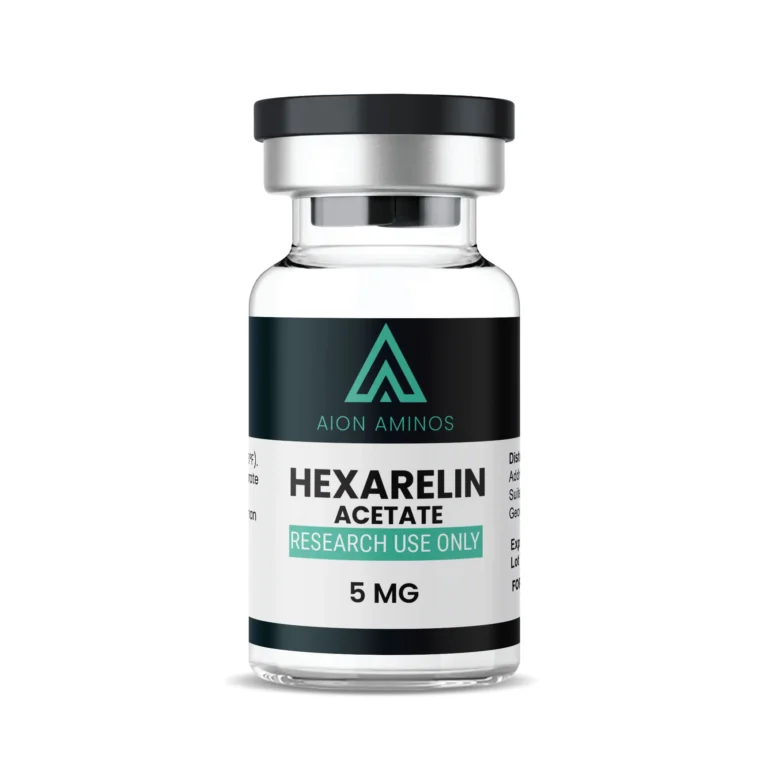
Hexarelin acetate explained for researchers: structure, receptor targets including GHS-R1a and CD36, key preclinical findings and the limits of the evidence.
New to Aion? Use the code below at checkout and save 25% on your first purchase.
Valid on first purchase only. One use per customer. Cannot be combined with other offers.