


KLOW Peptide Blend: A Research Overview of GHK-Cu, BPC-157, TB-500 and KPV
What the KLOW peptide blend contains, how each of its four components is studied in laboratory models, and what the research does and does not show.
MOTS-c is a mitochondrial derived peptide studied in laboratory research on metabolic signaling pathways, mitochondrial communication and cellular energy regulation.
Unlike most peptides encoded by nuclear DNA, MOTS c is transcribed from mitochondrial DNA, which places it in a small class of signaling compounds known as mitochondrial derived peptides (MDPs). These molecules are thought to coordinate communication between mitochondria and the nucleus, helping cells adjust their metabolism in response to energy demand and metabolic stress.
Because mitochondria are the primary site of energy production, a peptide written into mitochondrial DNA itself has attracted steady scientific interest. The MOTS-c peptide is now one of the more heavily studied research compounds in mitochondrial biology, appearing in work on glucose handling, insulin sensitivity, skeletal muscle biology and age related metabolic decline.
Mitochondria are organelles that generate cellular energy through oxidative phosphorylation. Inside cells they contribute to:
Because mitochondria sit at the center of metabolism, researchers pay close attention to the signaling molecules they produce. Studying peptides encoded in mitochondrial DNA is one way to understand how mitochondria report their status to the rest of the cell and how those messages shape metabolic behavior at the cellular level. Mapping those downstream effects is a large part of current mitochondrial research.
Mitochondrial derived peptides are short peptides encoded within mitochondrial DNA. Those described in the research literature include:
These peptides are believed to participate in mitochondrial to nuclear signaling, letting mitochondria communicate metabolic conditions to other systems inside cells. The process is often called retrograde signaling, meaning mitochondria influence which nuclear genes are switched on in response to stress or shifting energy demand. It is an unusual arrangement, since the flow of instruction normally runs the other direction.
MOTS-c is a 16 amino acid peptide encoded within the 12S ribosomal RNA region of mitochondrial DNA. The sequence reported in the literature is:
MRWQEMGYIFYPRKLR
Because the peptide is derived from mitochondrial rather than nuclear DNA, it is not a conventional protein product of the nuclear genome. That origin is a large part of why the molecule drew attention in the first place, and it is why the amino acids in this short chain are studied as a signaling message rather than as a structural building block.
Experimental models have examined several overlapping mechanisms through which this peptide appears to act, and the effects observed depend heavily on the model system used.
AMP activated protein kinase (AMPK) is a central sensor of cellular energy balance. Published work indicates MOTS-c influences the folate and methionine cycle, leading to changes upstream of AMPK activation. Many of the downstream metabolic effects reported in cell and rodent studies are interpreted through this pathway.
Research suggests mitochondrial derived peptides can affect nuclear gene expression tied to metabolism. Under metabolic stress, MOTS c has been observed translocating to the nucleus in experimental systems, where it associates with stress responsive genes. This gives researchers a way to study how mitochondria influence the nuclear program that governs energy use.
A substantial portion of the literature concerns glucose. Studies have explored how the peptide interacts with glucose uptake and utilization pathways in muscle and other tissues, including effects on insulin sensitivity in rodent models. Work published in Cell Metabolism reported that treated mice showed improved insulin sensitivity and resistance to diet induced obesity, findings that made glucose metabolism a durable focus of MOTS c research.
Cells constantly adapt to changing conditions, and mitochondria act as sensors for that change. When metabolic stress occurs, whether from nutrient imbalance, fasting or increased energy demand, mitochondria signal the rest of the cell through several routes:
Researchers use these systems to study how cells preserve metabolic balance. In this framework MOTS-c is treated as an adaptive signal, released or upregulated when energy status shifts rather than acting as a constant background influence. That context matters when reading results, since the effects recorded under fasting or nutrient restriction often differ from the effects seen under nutrient excess.
One of the more cited findings is that MOTS c levels rise with exercise. Research published in Nature Communications described the peptide as an exercise induced regulator of age dependent physical decline and muscle homeostasis, with measurable increases in skeletal muscle tissue and circulation following exertion in both rodents and human participants.
In aged mice, administration was associated with improved running capacity and physical function. These effects in muscle are why the compound is sometimes described in popular coverage as an exercise mimetic, though that shorthand overstates what the data support. The research describes changes in muscle homeostasis and metabolic gene expression, not confirmed muscle growth, and the strongest effects appear in animals that were metabolically impaired or aged rather than healthy and young.
Because mitochondrial dysfunction is a feature of many metabolic disorders, mitochondrial derived peptides have become a recurring subject in metabolic research. Reported observations across cell and animal models include:
Observational research has also reported lower circulating levels in some populations studied for type 2 diabetes, and a mitochondrial DNA variant affecting the MOTS c sequence has been examined in longevity research. These are associations. They describe a correlation worth investigating, not a demonstrated cause, and they do not establish metabolic benefits in humans.
This section matters as much as the rest. Interest in this molecule has moved well ahead of the evidence, and clarity protects everyone.
MOTS-c is frequently discussed in the wider peptide therapy conversation alongside other research compounds. That visibility reflects public attention rather than regulatory approval, and individuals should not read this material as guidance for personal use.
These research products are supplied as lyophilized powder in sealed vials for laboratory use.
Experimental concentrations are determined by the investigator for their own model system. Because this material is sold strictly for research purposes, no dosing recommendations for humans are offered or implied.
Investigators studying mitochondrial and metabolic signaling often work with complementary compounds.
SS-31 (Elamipretide) A mitochondria targeting peptide studied in research on membrane signaling and energy metabolism.
5-Amino-1MQ A small molecule examined in models of NAD+ metabolism and cellular methylation balance.
Humanin Another mitochondrial derived peptide investigated in cellular stress signaling research.
CJC 1295 A growth hormone releasing hormone analog studied in separate endocrine signaling research, often catalogued alongside metabolic peptides for comparison.
Studied together, these compounds let researchers examine several layers of mitochondrial communication and metabolic regulation at once.
MOTS-c is a mitochondrial derived peptide of 16 amino acids, encoded in mitochondrial DNA and studied in experimental models of metabolic signaling and mitochondrial communication. Research to date has focused on AMPK related pathways, glucose metabolism, insulin sensitivity, skeletal muscle biology and the way mitochondria influence nuclear genes under metabolic stress.
The effects reported so far are meaningful within their models and preliminary outside them. What makes the MOTS-c peptide scientifically interesting is the mechanism, a message written in mitochondrial DNA that helps cells decide how to spend energy. Ongoing research continues to test how far that mechanism reaches.
For Research Use Only (RUO).
This product is intended strictly for laboratory research and educational purposes. MOTS-c is not approved for human or veterinary use and is not intended to diagnose, treat, cure or prevent any disease. Nothing on this page is medical advice, and no statement here should inform decisions about metabolism, weight, blood sugar or any other aspect of personal health.
What the KLOW peptide blend contains, how each of its four components is studied in laboratory models, and what the research does and does not show.
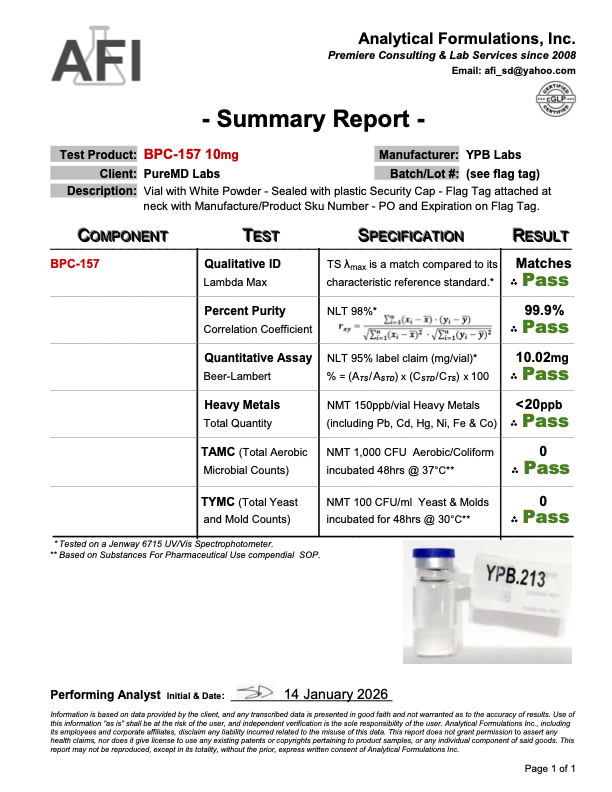
A practical guide to peptide certificates of analysis: what HPLC, mass spectrometry and UV-Vis results mean, how to read purity and assay numbers, and which red flags to watch for.

Hexarelin acetate explained for researchers: structure, receptor targets including GHS-R1a and CD36, key preclinical findings and the limits of the evidence.
New to Aion? Use the code below at checkout and save 25% on your first purchase.
Valid on first purchase only. One use per customer. Cannot be combined with other offers.