$239.00
You’ll be briefly redirected to Link Money, our secure ACH payment partner, to connect your bank and complete payment.
– Your bank login is never visible to or stored by us
– Encrypted, bank-level security
– A standard, trusted payment process
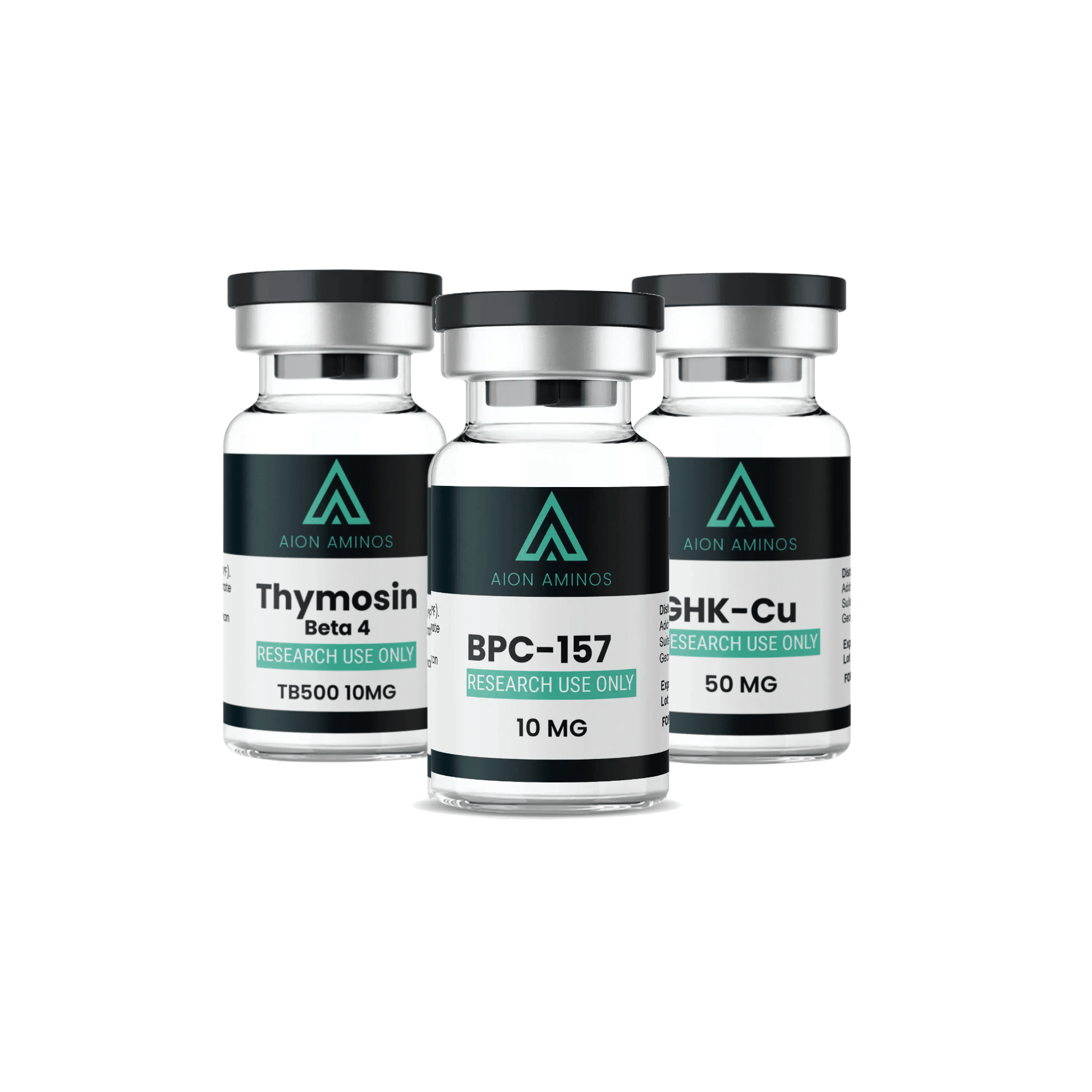
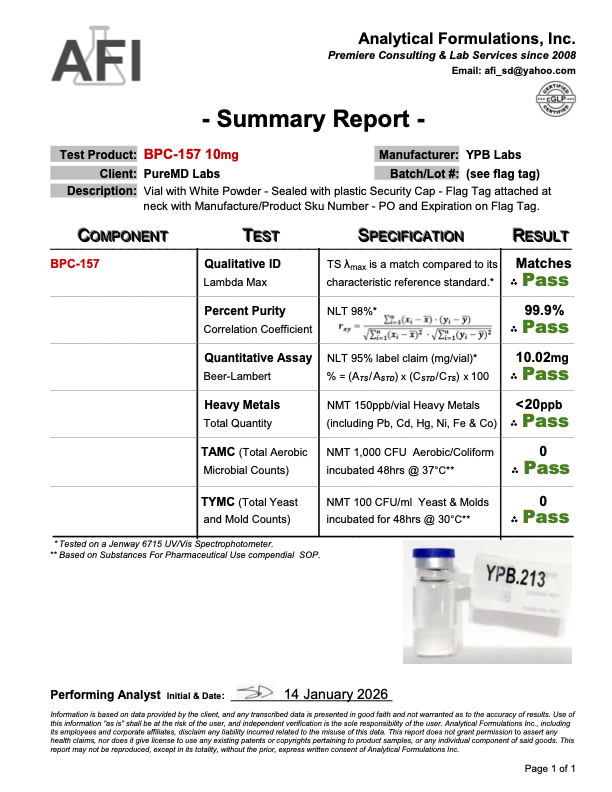
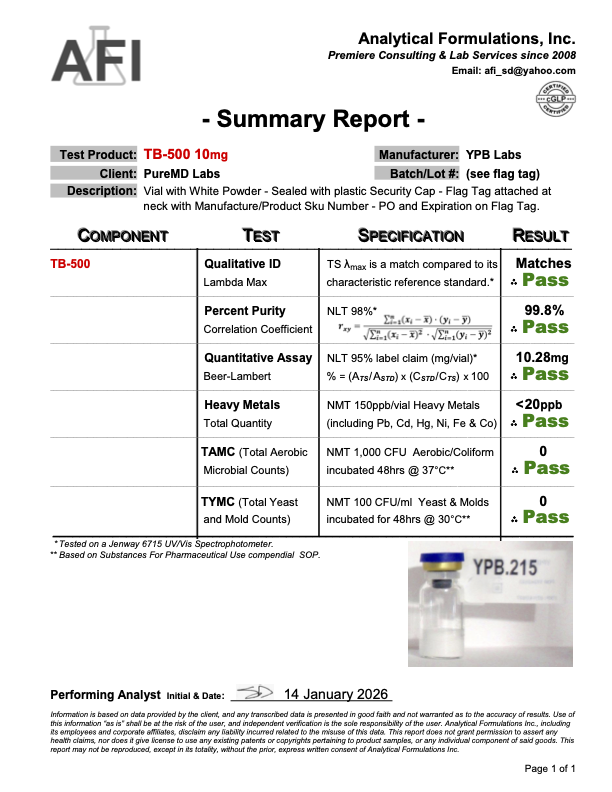
The Structural Recovery Bundle is a targeted combination of peptides for recovery, featuring BPC-157 (10mg), Thymosin Beta 4 (TB-4), and GHK-Cu. This bundle is designed for laboratory environments investigating cellular signaling pathways related to tissue dynamics, extracellular matrix interaction, and structural biology.
Each peptide within this bundle is studied for its role in distinct but complementary biological pathways. BPC-157 (Body Protection Compound 157) is examined in research involving cellular signaling, nitric oxide pathways, and fibroblast activity. Thymosin Beta 4 is studied for its involvement in cell migration, cytoskeletal regulation, and actin-related signaling. GHK-Cu, a copper-binding peptide, is investigated in laboratory models examining cellular communication, gene signaling, and extracellular matrix interactions.
Together, these peptides for recovery are used in research to explore interconnected pathways associated with tissue repair, cellular regeneration, and structural signaling networks within biological systems.
This bundle is supplied as a stable, research-grade lyophilized peptide kit for controlled laboratory investigation.
In laboratory environments, the Structural Recovery Bundle is used to investigate cellular signaling pathways associated with tissue repair, extracellular matrix communication, and structural adaptation. Researchers frequently study how peptides for recovery interact with biological systems involved in cellular organization and signaling networks.
Experimental models often explore how BPC-157 influences signaling pathways related to fibroblast activity and cellular communication, while Thymosin Beta 4 is studied for its role in cell migration and cytoskeletal dynamics. GHK-Cu is investigated for its interaction with gene signaling pathways and extracellular matrix processes.
These combined research frameworks allow scientists to examine how different signaling pathways interact within models of tissue, connective tissue, and structural biology. Scientific literature frequently explores how these pathways contribute to cellular communication, regeneration, and biological adaptation.
All such investigations remain confined strictly to laboratory research contexts and do not represent approved medical or therapeutic applications.
The Structural Recovery Bundle is a combination of peptides for recovery, including BPC-157, Thymosin Beta 4, and GHK-Cu, designed for laboratory research involving tissue signaling and structural biology.
These peptides are grouped together because they are studied in complementary research areas, including cell migration, extracellular matrix signaling, and cellular communication related to structural pathways.
Researchers study peptides for recovery in laboratory environments examining tissue repair, cellular signaling, extracellular matrix interaction, and structural adaptation processes.
No. This bundle is supplied strictly for research use and is not intended for human consumption or therapeutic application.
New to Aion? Use the code below at checkout and save 25% on your first purchase.
Valid on first purchase only. One use per customer. Cannot be combined with other offers.