
$78.00
You’ll be briefly redirected to Link Money, our secure ACH payment partner, to connect your bank and complete payment.
– Your bank login is never visible to or stored by us
– Encrypted, bank-level security
– A standard, trusted payment process
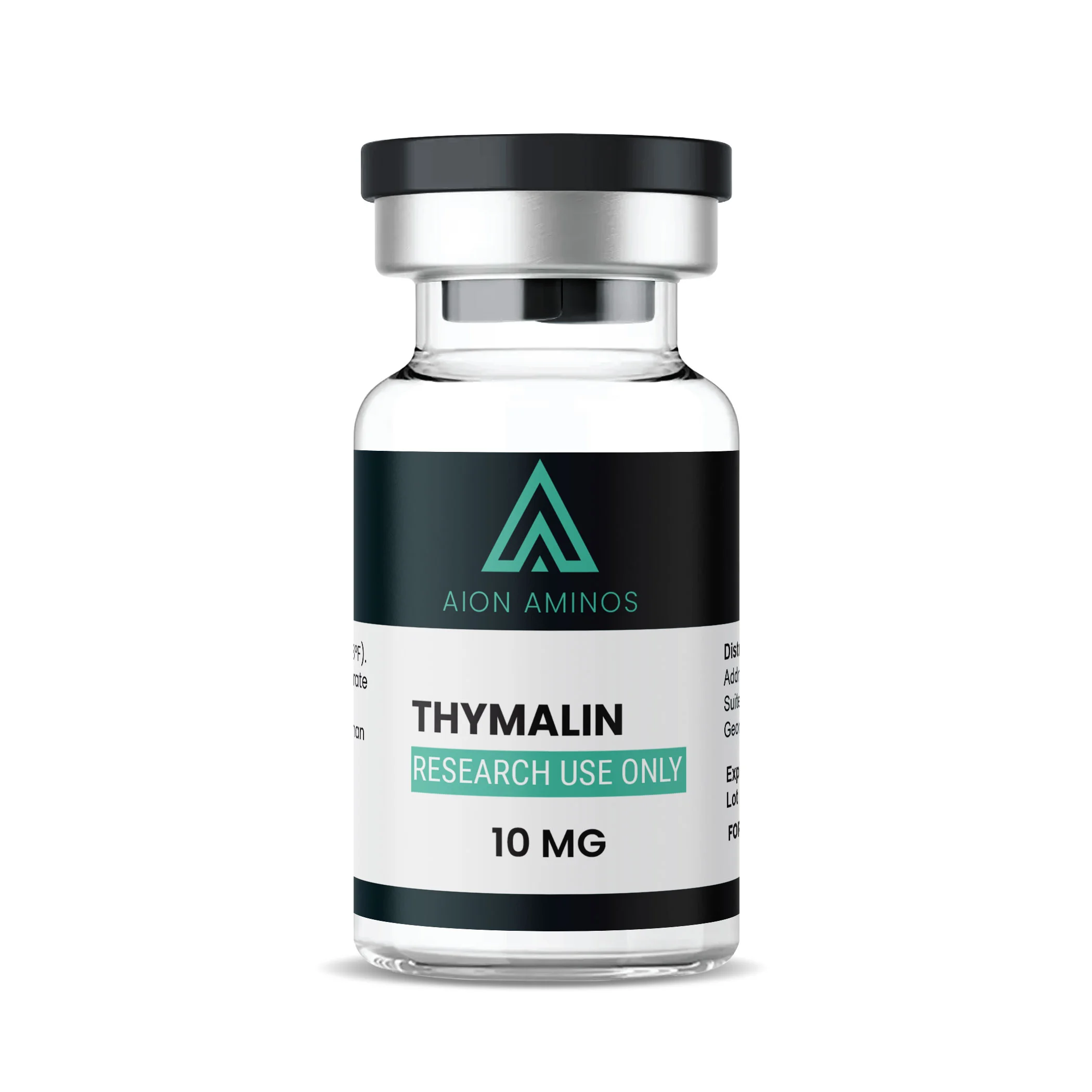
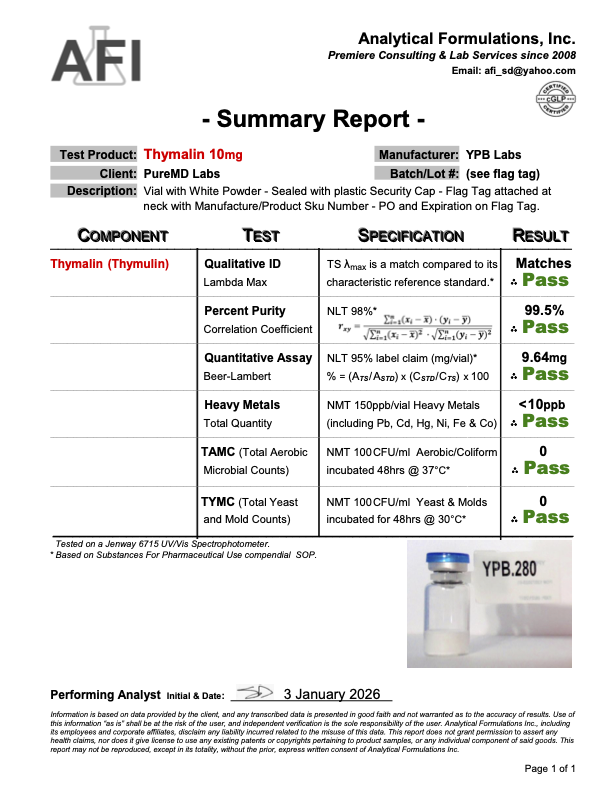
In laboratory environments, thymalin is studied for its role in immune system signaling and thymic regulatory pathways. Research commonly investigates how thymic peptides influence cellular communication among immune-related cells, particularly pathways related to immune regulation and immune response.
Experimental systems frequently explore mechanisms associated with t cell differentiation, t cell production, and broader aspects of cellular immunity. These investigations often focus on signaling pathways within the thymus gland, including mechanisms associated with immune surveillance and communication between immune cells.
Scientific literature also examines thymic peptide complexes in research involving aging, cellular aging, and biological processes linked to thymic involution. Researchers study molecular signaling pathways connected to gene expression, immune modulation, and inflammatory signaling processes related to inflammation and immune system adaptation.
Additional studies explore theoretical frameworks involving cellular regeneration, cellular repair, tissue repair, and experimental models of immune dysfunction. References to immune-related conditions, including studies involving severe covid 19, appear in academic literature but remain confined strictly to laboratory and experimental research contexts.
Not a thymalin nasal spray and not intended for peptide therapy
Thymalin is a synthetic peptide complex modeled after naturally occurring thymic peptides derived from the thymusgland, studied in laboratory settings for its role in immune-related cellular signaling.
Scientific publications often reference thymalin research in studies investigating immune system function, t cell differentiation, gene expression, and cellular pathways associated with aging and thymic biology.
Thymalin is sometimes discussed alongside other thymic-derived compounds such as thymosin alpha, thymosin alpha1, and thymosin beta 4, which are also studied in laboratory research involving the immune system.
No. This product is supplied strictly for research use and is not intended for human consumption or peptide therapy. It is not designed to diagnose, treat, cure, or prevent any disease.
New to Aion? Use the code below at checkout and save 25% on your first purchase.
Valid on first purchase only. One use per customer. Cannot be combined with other offers.