$129.00
You’ll be briefly redirected to Link Money, our secure ACH payment partner, to connect your bank and complete payment.
– Your bank login is never visible to or stored by us
– Encrypted, bank-level security
– A standard, trusted payment process
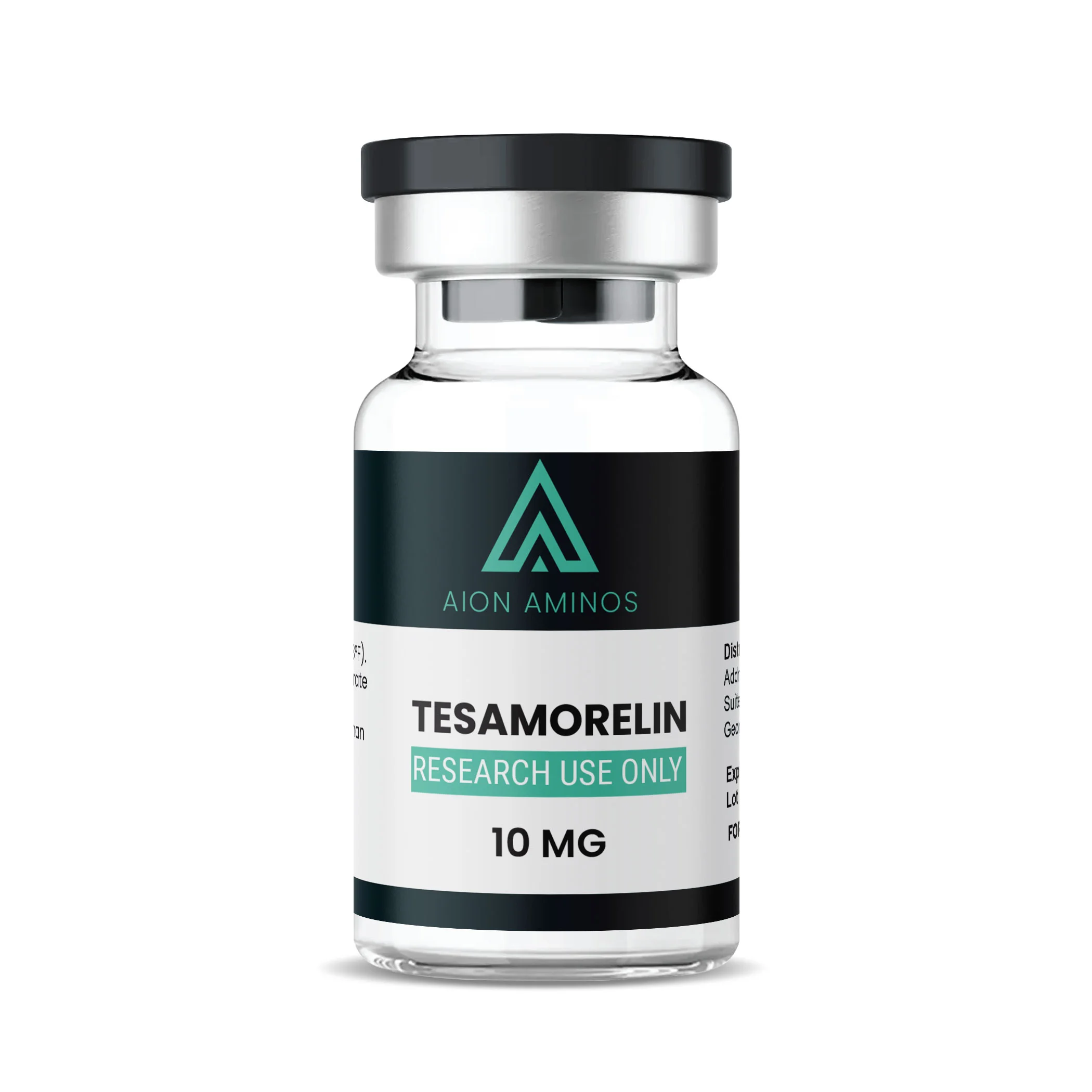
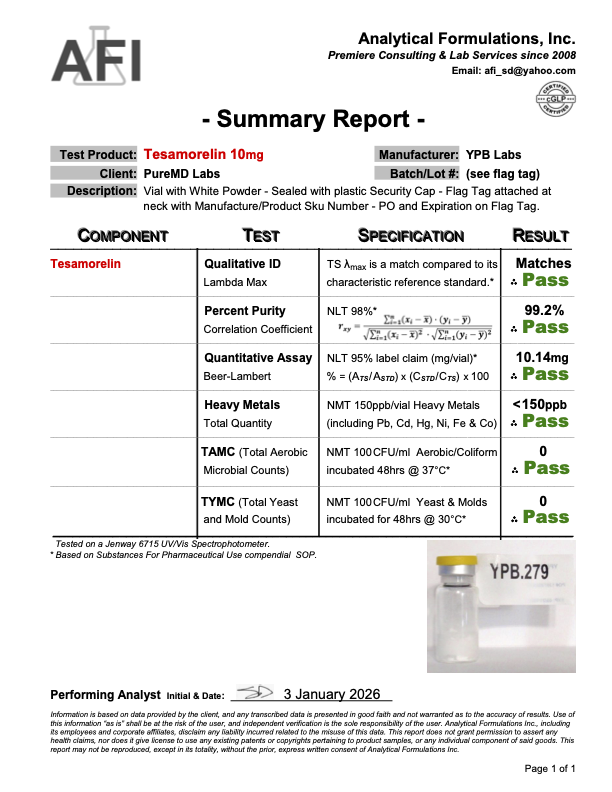
In laboratory settings, tesamorelin is commonly studied for its role in endocrine signaling pathways regulating growth hormone release. Researchers investigate how activation of receptors within the pituitary gland influences growth hormone levels, IGF 1 production, and downstream molecular responses associated with metabolic regulation.
Experimental models frequently explore how growth hormone signaling interacts with cellular pathways affecting body composition, fat metabolism, and regulation of visceral fat and abdominal fat accumulation. These investigations often examine the biological relationships between visceral adipose tissue, subcutaneous fat, and metabolic signaling pathways.
Scientific publications also reference clinical trials and clinical study designs involving participant groups and placebo controls. Some literature examines metabolic signaling frameworks related to lipodystrophy, including studies involving HIV infected patients and HIV associated lipodystrophy in the context of antiretroviral therapy research. These references remain confined strictly to research literature and do not represent approved use of this product.
Additional laboratory investigations analyze pathways associated with insulin resistance, cortisol signaling, and theoretical links to metabolic conditions such as cardiovascular disease. Researchers may also explore relationships between endocrine signaling and biological processes associated with muscle, muscle repair, muscle growth, and metabolic recovery in experimental systems.
All references to fat loss, fat reduction, visceral fat reduction, or abdominal fat changes remain limited to scientific research contexts and do not represent approved medical use.
Tesamorelin is a synthetic analog of growth hormone releasing hormone studied in laboratory research for its ability to stimulate growth hormone secretion through activation of receptors in the pituitary gland.
Scientific literature frequently references tesamorelin in studies investigating growth hormone, endocrine signaling, body composition, and metabolic pathways involving visceral fat, abdominal fat, and visceral adipose tissue.
This product is not approved for tesamorelin therapy, not for medical treatment, and not intended for human use. References to clinical studies or clinical trials appear only within academic research literature.
Research publications may explore pathways related to fat loss, fat metabolism, muscle, or muscle mass in experimental systems. These discussions remain limited to laboratory research and do not represent approved medical applications.
New to Aion? Use the code below at checkout and save 25% on your first purchase.
Valid on first purchase only. One use per customer. Cannot be combined with other offers.