
$299.00
You’ll be briefly redirected to Link Money, our secure ACH payment partner, to connect your bank and complete payment.
– Your bank login is never visible to or stored by us
– Encrypted, bank-level security
– A standard, trusted payment process

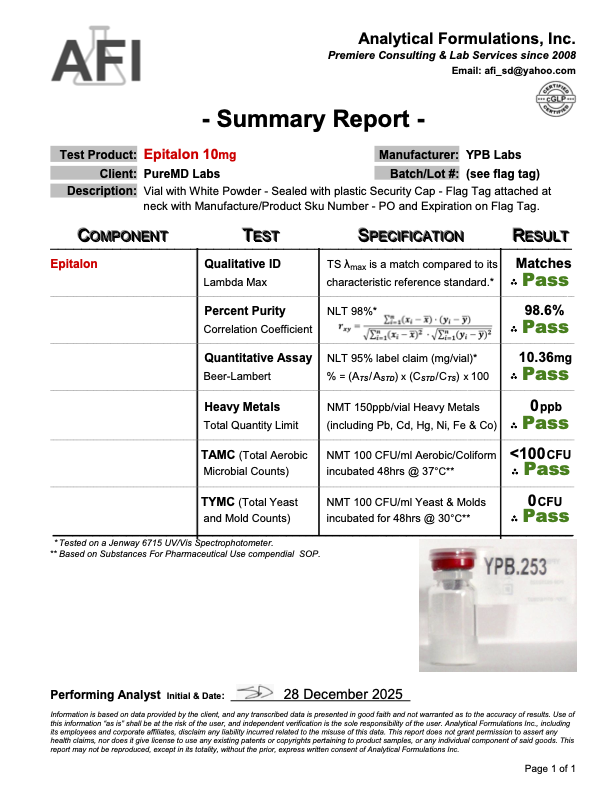
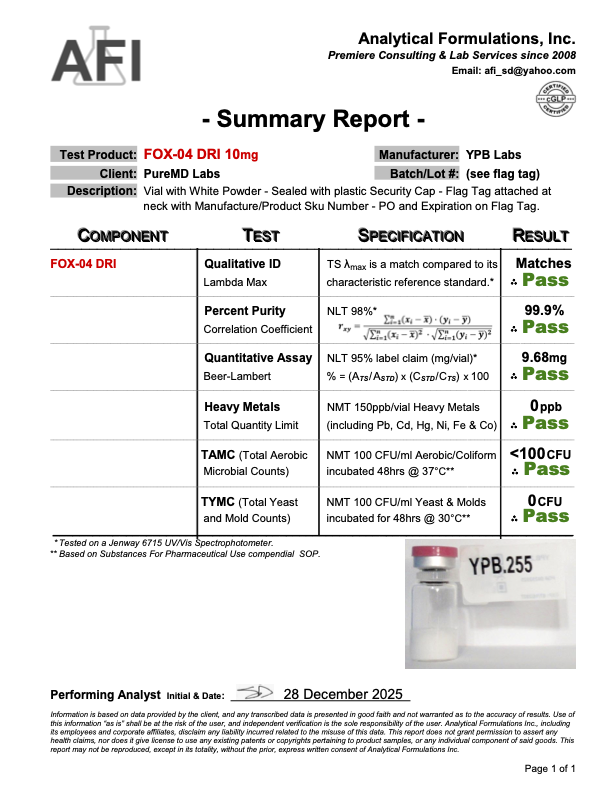
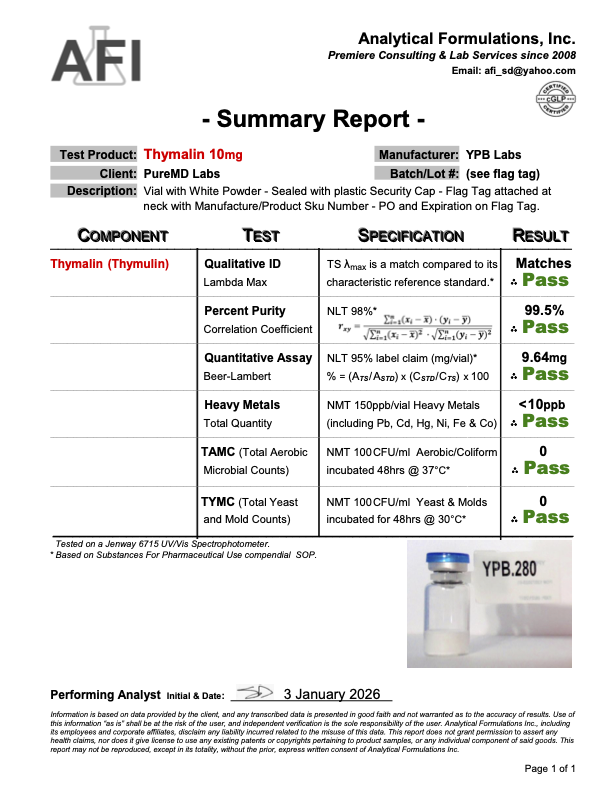
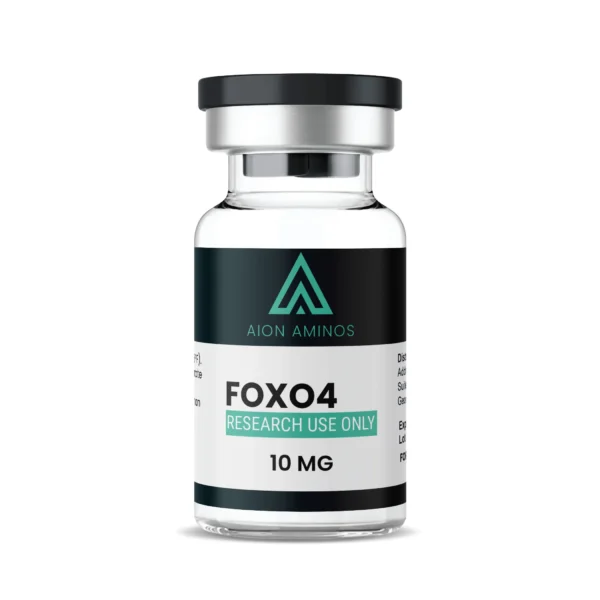
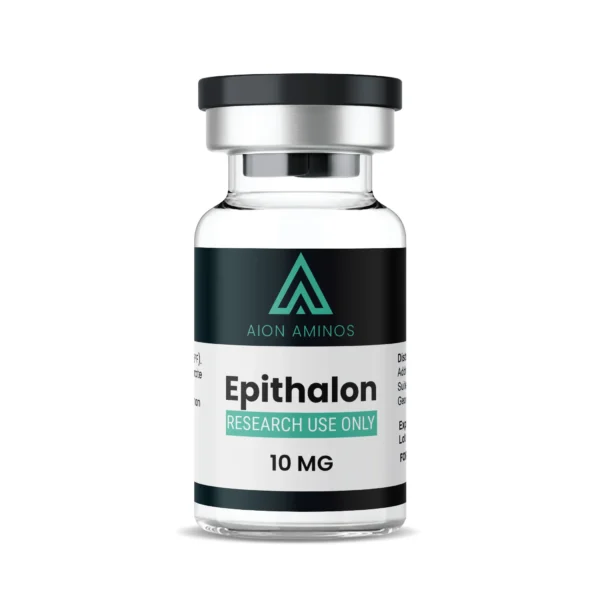
The Longevity Signaling Bundle is a curated set of peptides for longevity research, combining Epithalon, FOXO4-related peptide, and Thymalin. This bundle is designed for laboratory environments investigating cellular signaling pathways associated with aging, gene regulation, and biological adaptation processes.
Each peptide within this formulation is studied in experimental models exploring distinct but complementary mechanisms. Epithalon is examined in research involving gene expression and telomere-related signaling pathways. FOXO4-related peptides are studied for their interaction with transcription factor pathways associated with cellular regulation and signaling networks. Thymalin is explored in laboratory models examining thymic signaling, immune-related cellular communication, and regulatory pathways involved in cellular adaptation.
Together, these peptides for longevity are used in research to investigate interconnected pathways related to cellular aging, metabolic signaling, and regulatory communication between biological systems.
This bundle is supplied as a stable, research-grade lyophilized peptide kit for controlled laboratory investigation.
In laboratory environments, the Longevity Signaling Bundle is used to investigate multiple signaling pathways associated with cellular aging and biological regulation. Researchers often study how combinations of peptides for longevity interact with gene expression pathways, transcription factor signaling, and cellular communication networks.
Experimental studies frequently examine how Epithalon influences gene-related signaling pathways, while FOXO4-related peptides are investigated for their interaction with transcription factor pathways involved in cellular regulation. Thymalin is studied in laboratory systems analyzing immune-related signaling and cellular communication associated with thymic pathways.
These combined research models allow investigation into interconnected systems involving cellular signaling, metabolic regulation, and adaptive biological responses. Scientific literature often explores how these pathways contribute to broader frameworks of cellular aging and regulatory signaling networks.
All such investigations remain confined strictly to laboratory research contexts and do not represent approved medical or therapeutic applications.
Peptides for longevity refer to research compounds that are studied in laboratory environments for their interaction with biological pathways associated with cellular aging, gene regulation, and metabolic signaling. These peptides are not defined by a single mechanism but are instead investigated across multiple systems that influence how cells respond to stress, maintain structural integrity, and regulate internal communication.
In scientific research, peptides such as Epithalon, FOXO4-related peptides, and Thymalin are examined for their roles in processes like gene expression, transcription factor signaling, and cellular communication networks. Researchers often study how these peptides interact with pathways linked to cellular adaptation, DNA-related signaling, and metabolic regulation.
It’s important to note that all references to peptides for longevity are limited strictly to laboratory and experimental contexts. These compounds are used to better understand biological systems—not as treatments or interventions.
These three peptides are grouped together in research because they represent distinct but complementary signaling pathways associated with cellular regulation and aging-related biological processes.
By studying these peptides together, researchers can examine how multiple regulatory systems interact, including gene-level signaling, transcriptional control, and immune-related pathways. This multi-pathway approach allows for a more comprehensive understanding of how different biological systems coordinate cellular responses over time.
These studies remain strictly within controlled laboratory environments and are not intended to represent combined therapeutic use.
Research involving peptides for longevity often focuses on several key biological pathways that are central to cellular function and adaptation. These include:
For example, FOXO-related pathways are studied for their role in transcriptional regulation, while thymic peptides like Thymalin are examined for their involvement in immune-related signaling. Epithalon is often investigated in relation to gene-associated pathways and cellular regulatory mechanisms.
By analyzing these pathways, researchers aim to better understand how cells maintain balance, respond to environmental changes, and regulate internal processes over time. All such work is conducted strictly for research and educational purposes.
No. Peptides for longevity, including those in the Longevity Signaling Bundle, are not intended for human consumption or therapeutic use. They are supplied strictly for laboratory research purposes.
While scientific literature may explore mechanisms related to cellular aging, gene expression, or metabolic signaling, these findings are part of controlled experimental studies. They are not evidence of clinical outcomes, approved treatments, or real-world applications.
Products such as Epithalon, FOXO4-related peptides, and Thymalin are used by researchers to investigate biological processes—not to diagnose, treat, cure, or prevent any disease. Anyone working with these compounds assumes full responsibility for their proper handling and use within a research setting.
New to Aion? Use the code below at checkout and save 25% on your first purchase.
Valid on first purchase only. One use per customer. Cannot be combined with other offers.