$97.00
Out of stock
You’ll be briefly redirected to Link Money, our secure ACH payment partner, to connect your bank and complete payment.
– Your bank login is never visible to or stored by us
– Encrypted, bank-level security
– A standard, trusted payment process
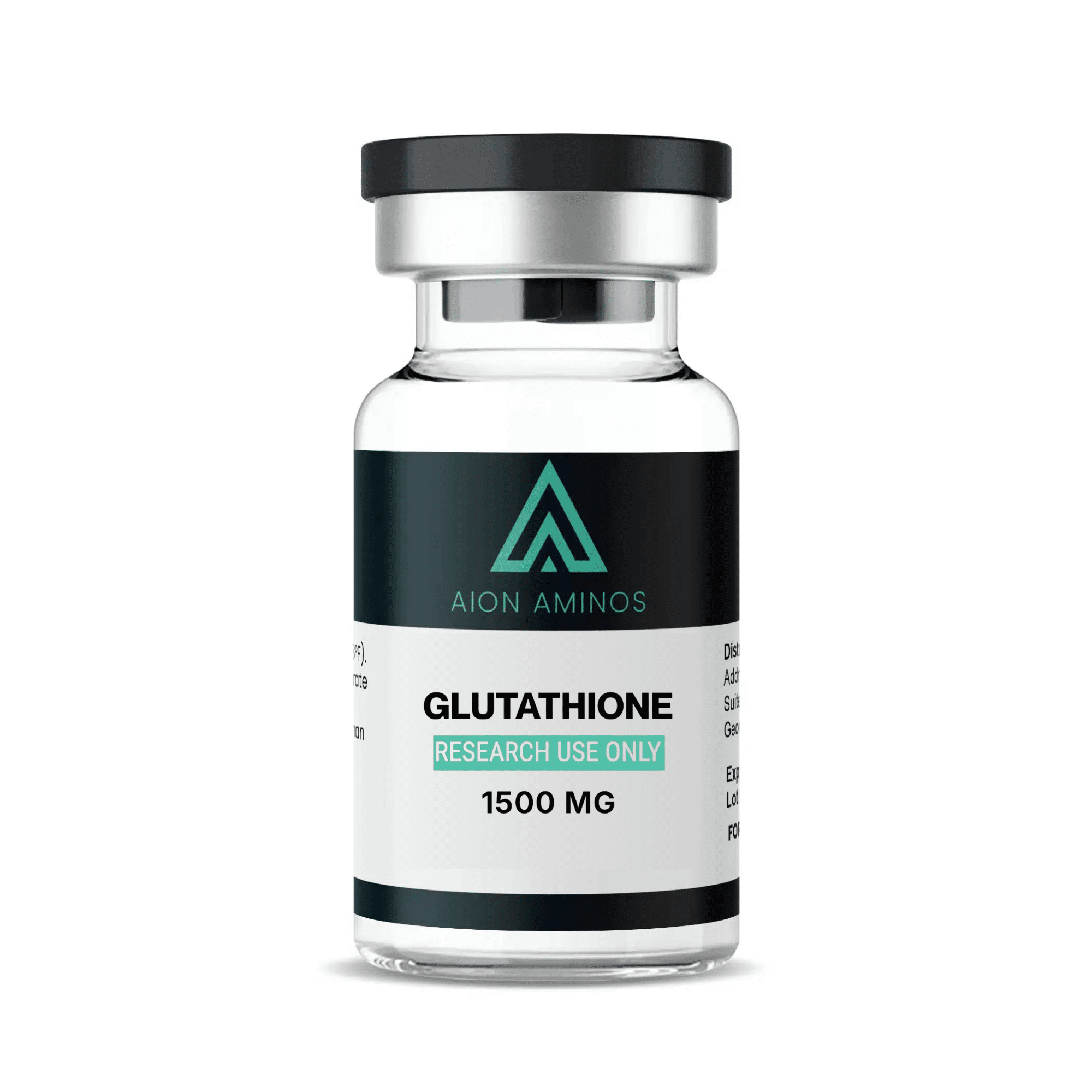
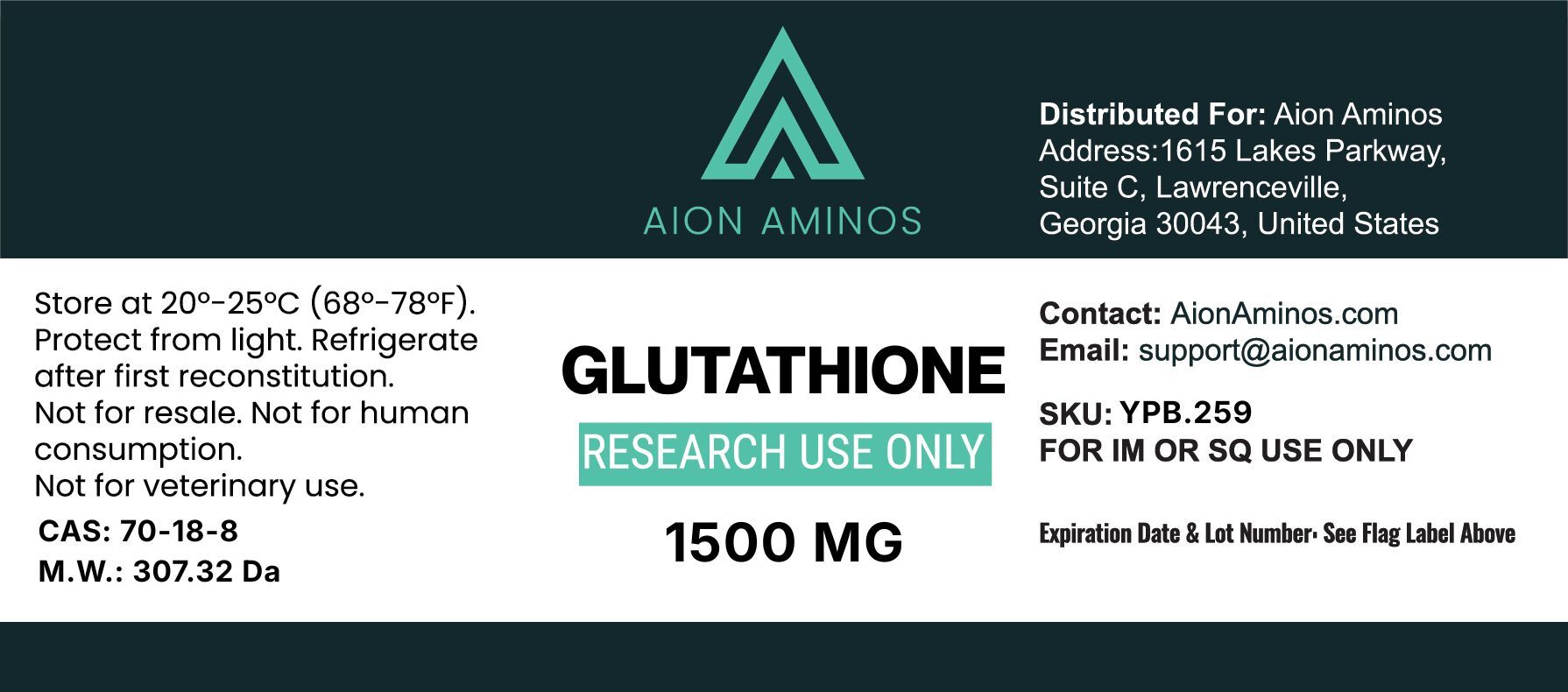
Glutathione peptide is used by researchers as a reference tripeptide in studies examining oxidative stress markers and cellular health. In published laboratory research, glutathione has been examined for its documented role in glutathione metabolism, including its interaction with enzymes such as glutathione synthetase, glutathione peroxidase, and glutathione S-transferases. Researchers study how glutathione levels and glutathione production relate to redox balance within cells, offering valuable context on detoxification pathways.
A significant body of research has explored glutathione in models of oxidative stress, where the peptide’s association with the neutralization of environmental toxins and other toxins is a subject of study. Laboratory research examines how glutathione level shifts correlate with cellular responses in experimental systems investigating liver function and liver-related models. This research provides insight into glutathione synthesis and glutathione metabolism at a mechanistic level rather than any human outcome.
Additional research applications examine glutathione in the context of skin research, immune function studies, and cellular models relevant to disease pathways, including academic research referencing liver disease models. Because the tripeptide is built from glutamic acid, cysteine, and glycine, researchers also study the rate-limiting role of cysteine in glutathione synthesis. Terms such as “immune system support,” “skin health,” “liver detox,” and “oral glutathione supplementation” describe fields of academic interest only. All work described here is conducted for laboratory research use only and is not intended to diagnose, treat, cure, or prevent any disease.
Glutathione peptide is a synthetic tripeptide supplied as a lyophilized powder for laboratory research purposes.
Peptide type: Synthetic tripeptide (reduced glutathione reference compound)
Amino acids: Glutamic acid, cysteine, glycine (Glu-Cys-Gly)
Molecular formula: C₁₀H₁₇N₃O₆S
Molecular weight: Approximately 307.32 g/mol (307.32 g/mol)
Form: White lyophilized powder
Purity: Verified for laboratory research use
The molecular formula and molecular weight listed above describe glutathione as a reference peptide for research use. This synthetic peptide is not a dietary supplement and is intended solely for laboratory research. Aion Aminos supplies glutathione peptide strictly for laboratory research use by qualified researchers.
Glutathione peptide is a synthetic tripeptide composed of glutamic acid, cysteine, and glycine, also known as reduced glutathione or L-glutathione peptide. It is a short peptide studied in laboratory research for its documented association with oxidative stress markers and glutathione metabolism. It is supplied as a lyophilized powder for laboratory research use only.
This peptide is commonly used in laboratory settings to investigate neutral mechanisms such as glutathione synthesis, detoxification pathways, and the activity of enzymes like glutathione peroxidase and glutathione S-transferases. Researchers study how glutathione levels relate to cellular health, liver function models, and skin research. It is not intended for human use.
No. Aion Aminos does not offer glutathione injection, IV glutathione, injectable glutathione, oral glutathione, liposomal glutathione, or glutathione supplementation for human use, and makes no claims about glutathione benefits. Glutathione is supplied strictly as a research-grade peptide.
No. Glutathione peptide is sold strictly for laboratory research use and is not a dietary supplement. It is not intended for diagnostic or therapeutic use and is not for human consumption. Buyer assumes full responsibility for proper handling and research use.
New to Aion? Use the code below at checkout and save 25% on your first purchase.
Valid on first purchase only. One use per customer. Cannot be combined with other offers.