
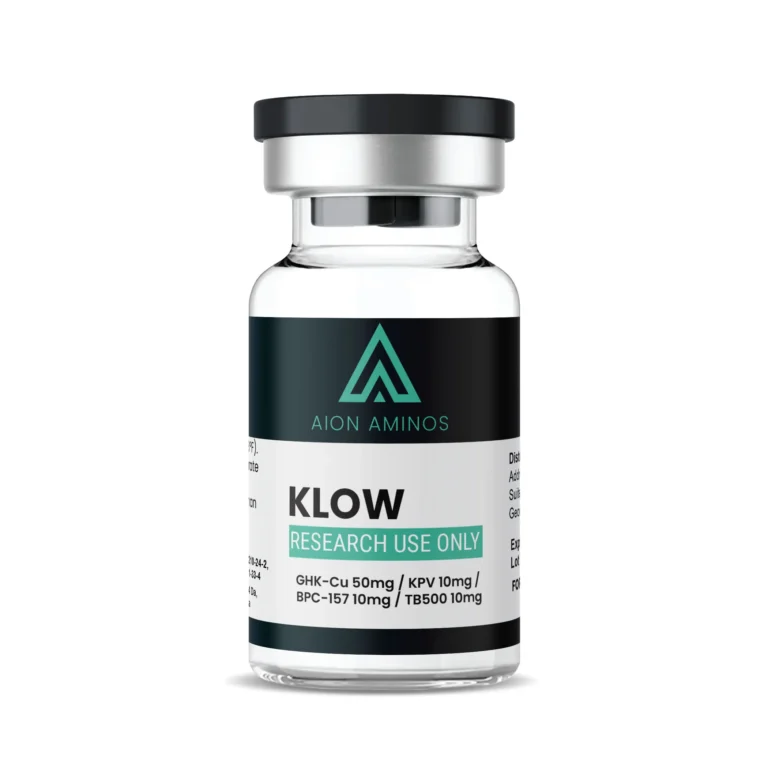
KLOW Peptide Blend: A Research Overview of GHK-Cu, BPC-157, TB-500 and KPV
What the KLOW peptide blend contains, how each of its four components is studied in laboratory models, and what the research does and does not show.

Whether you’re a researcher, biohacker, or simply curious about the science of human performance, few biological systems are as consequential — or as misunderstood — as the growth hormone IGF axis. This intricate hormonal cascade governs everything from childhood growth and bone density to muscle mass, metabolism, and cellular repair throughout adult life.
At Aion Aminos, we believe that understanding the science behind the peptides we supply is as important as the compounds themselves. This in-depth guide breaks down the current understanding of growth hormone (GH) and its downstream signaling partner, insulin-like growth factor 1 (IGF-1), drawing on research from leading journals including J Clin Endocrinol Metab and the field of clinical endocrinology.
The growth hormone IGF axis is a neuroendocrine system that coordinates growth, metabolism, and tissue maintenance across virtually every organ in the body. It operates through a well-characterized cascade:
This axis doesn’t act in isolation. It communicates closely with systems governing insulin, blood sugar, and adipose tissue remodeling, making it central to metabolic health as well as physical development.
Growth hormone (GH) is a 191-amino acid peptide secreted in pulses — primarily during sleep — from somatotroph cells in the anterior pituitary gland. GH secretion is regulated by a dynamic interplay of stimulatory and inhibitory signals, including GHRH, somatostatin, ghrelin, exercise, nutrition, and protein intake.
GH exerts both direct and indirect effects:
Direct effects include lipolysis (breakdown of fat in adipose tissue), anti-insulin actions at the cellular level, and regulation of insulin sensitivity and insulin resistance.
Indirect effects — mediated by IGF-1 — are responsible for the anabolic, growth-promoting actions that GH is most known for, including stimulation of muscle protein synthesis, bone mineral density, and organ growth.
Researchers measuring GH levels typically use assays of GH measurements in serum, though interpreting these values requires understanding the pulsatile nature of GH production and can vary significantly by age, sex, nutritional status, and time of day.
Insulin-like growth factor 1 (IGF-1) is a 70-amino acid polypeptide that shares structural homology with proinsulin — hence the “insulin-like” designation. It is produced primarily in the liver in response to GH stimulation, though local production also occurs in muscle, bone, and other tissues.
IGF-1 circulates bound to a family of binding proteins known as insulin-like growth factor binding proteins (IGFBPs), particularly IGFBP-3, which prolongs its half-life in the bloodstream and modulates its bioavailability. This is why serum IGF-1 and serum IGF-1 level measurements are preferred clinically over direct GH measurements — IGF-1 levels are far more stable, making IGF-1 measurement a practical proxy for integrated GH activity over time.
The anabolic effect of IGF-1 is mediated through the IGF-1 receptor, which activates downstream signaling through the PI3K/Akt and MAPK/ERK pathways. This drives:
Studies using transgenic mice with altered IGF-1 signaling have been invaluable in delineating the specific contributions of local versus circulating IGF-1 to muscle and skeletal growth, demonstrating that both systemic and paracrine/autocrine IGF-1 production contribute meaningfully to anabolic outcomes.
IGF levels — particularly IGF-1 concentrations in serum — change significantly across the lifespan. IGF-1 level is lowest in early life, rises sharply during puberty (when childhood growth accelerates), peaks in the third decade, and declines progressively with age.
Normal reference ranges are age- and sex-adjusted, and clinical interpretation requires context. According to research published in J Clin Endocrinol Metab and guidelines from clinical endocrinology societies, the following levels are generally monitored:
| Life Stage | IGF-1 Status | Clinical Relevance |
| Childhood | Rising | Drives normal growth and skeletal maturation |
| Puberty | Peak | Associated with peak bone mass and muscle development |
| Adulthood | Plateau, then decline | GH deficiency more likely with age |
| Old Age | Low | Linked to sarcopenia, metabolic changes |
GH levels themselves are harder to interpret due to their pulsatile secretion pattern. Most clinical protocols use stimulation testing alongside serum IGF-1 level to confirm GH deficiency or GH excess.
Growth hormone deficiency (GHD) is a recognized clinical condition arising from inadequate GH secretion from the pituitary gland. It can be congenital or acquired (from trauma, surgery, radiation, or pituitary tumors). In children, GH deficiency manifests as stunted childhood growth and delayed puberty. In adults, it presents with fatigue, reduced muscle mass, increased adiposity, impaired bone density, and quality-of-life reductions.
GH deficiency correlates closely with IGF-1 deficiency because GH is the primary driver of hepatic IGF-1 production. Low serum IGF-1 level is therefore a key diagnostic marker used alongside clinical assessment of GH measurements and stimulation tests.
GH treatment with recombinant growth hormone is approved for both pediatric and adult GH deficiency, with demonstrated improvements in body composition, bone density, metabolic markers, and quality of life. GH treatment protocols are individualized and require ongoing clinical monitoring of serum IGF-1, blood sugar, and other parameters.
GH levels and their relationship to IGF-1 also inform our understanding of GH excess, seen in acromegaly and gigantism. Excess GH drives supraphysiologic IGF-1 concentrations, with downstream effects on glucose metabolism, insulin resistance, and organ size.
One of the most clinically significant aspects of the growth hormone IGF axis is its intimate relationship with insulin signaling and glucose metabolism. IGF-1 and insulin share receptor homology, and the IGF-1 receptor can cross-activate the insulin receptor at high concentrations — and vice versa.
This receptor crosstalk has profound implications for insulin sensitivity and insulin resistance. Physiologically, IGF-1 enhances glucose uptake and can lower blood sugar through insulin-like mechanisms. In states of GH excess, however, the direct anti-insulin actions of GH dominate, resulting in insulin resistance and elevated blood sugar — a known risk factor for type 2 diabetes.
Research into type 2 diabetes has highlighted the relevance of the GH/IGF-1 axis in metabolic disease. Individuals with type 2 diabetes frequently display altered IGF levels, altered binding proteins profiles, and dysregulated GH secretion. The relationship is bidirectional: diabetes affects GH signaling, and GH/IGF-1 dysregulation can worsen glycemic control.
Kinase inhibitors targeting components of the IGF-1 signaling pathway have been investigated as potential therapies in oncology and metabolic disease, underscoring the importance of this axis far beyond growth and development alone.
A fascinating window into the importance of the growth hormone IGF axis comes from Laron syndrome, a rare autosomal recessive condition characterized by GH receptor insensitivity. Individuals with Laron syndrome produce ample GH but cannot respond to it — resulting in profound IGF-1 deficiency, severe short stature, and metabolic peculiarities.
Interestingly, despite low IGF-1 level, individuals with Laron syndrome have markedly reduced rates of cancer and diabetes, suggesting that IGF-1 signaling plays a complex role in disease susceptibility as well as growth and development. This population has been extensively studied in the context of longevity and metabolic health research.
Suboptimal GH levels in adulthood — even short of diagnosable GH deficiency — are associated with a cluster of metabolic changes: increased visceral adiposity, reduced muscle mass, diminished bone density, and worsening insulin sensitivity. These changes mirror many features of the metabolic syndrome and overlap with risk factors for type 2 diabetes and cardiovascular disease.
Optimizing GH secretion through lifestyle factors — quality sleep, resistance exercise, adequate protein intake, and caloric balance — remains the most accessible strategy for supporting healthy GH levels and downstream IGF-1 production across the lifespan.
GH deficiency (whether partial or complete) and the associated IGF-1 deficiency represent a spectrum. Clinical assessment typically incorporates IGF-1 measurement, provocative GH testing, and body composition analysis, interpreted within the framework of clinical endocrinology standards and published norms from studies in J Clin Endocrinol Metab.
The science of secretagogue peptides — compounds that stimulate endogenous GH secretion — has grown substantially over the past two decades. These research chemicals act on the pituitary gland and hypothalamic pathways to modulate GH production, GH secretion, and downstream IGF-1 production, without supplying exogenous human growth hormone directly.
Researchers studying these compounds are interested in their effects on:
Unlike human growth hormone administration — which directly raises IGF-1 concentrations and suppresses natural GH secretion through negative feedback — secretagogue peptides work by amplifying the body’s own pulsatile GH secretion patterns. This distinction matters for researchers evaluating the downstream effects on IGF-1 production, receptor sensitivity, and binding proteins dynamics.
It’s worth noting that the field of clinical endocrinology draws a clear distinction between exogenous human growth hormone (a controlled prescription medicine used in documented GH deficiency) and growth hormone-releasing peptides (GHRPs) and GHRHs, which are investigated as research tools. At Aion Aminos, the peptides we supply are intended strictly for research purposes by qualified investigators.
The growth hormone IGF system sits at the convergence of growth biology, endocrinology, aging science, and metabolic research. It touches nearly every domain of physiological function:
Muscle: IGF-1 is a central driver of skeletal muscle protein synthesis and satellite cell activation. Research on muscle regeneration, hypertrophy, and atrophy routinely incorporates IGF-1 measurement and serum IGF-1 as key endpoints. Studies assessing muscle mass changes frequently report igf levels alongside body composition data.
Metabolism: The interplay between the growth hormone IGF axis, insulin, insulin receptor signaling, and blood sugar regulation makes this system central to research on obesity, metabolic syndrome, and type 2 diabetes. Insulin resistance and altered insulin sensitivity are both causes and consequences of dysregulated GH/IGF-1 signaling.
Aging: Declining GH levels and serum IGF-1 level with age have made the growth hormone IGF axis a target of longevity researchers. The paradox of Laron syndrome — where severely low IGF-1 level associates with longevity — highlights the complexity of targeting this axis for lifespan extension.
Bone: GH and IGF-1 are essential regulators of bone remodeling and bone density throughout life. GH deficiency accelerates bone loss; GH treatment in deficient patients partially restores it.
Oncology: Aberrant IGF-1 receptor activation contributes to tumor cell proliferation and survival. Kinase inhibitors targeting the IGF-1 receptor and its downstream receptor signaling are under active investigation, with multiple compounds studied for their ability to disrupt cell growth in cancer models. Research using transgenic mice with overexpressed or deleted IGF-1 receptor genes has provided mechanistic insights into IGF-1’s role in tumor biology.
IGF-1 concentrations in circulation are substantially higher than other peptide hormones, in part because the majority of IGF-1 is bound within a ternary complex consisting of IGF-1, IGFBP-3, and the acid-labile subunit (ALS). These binding proteins serve as a circulating reservoir, extending the half-life of IGF-1 from minutes to hours.
The regulation of binding proteins is itself influenced by GH, nutritional status, insulin, and other hormones. Protein intake is a notable modulator: caloric restriction and low protein intake reduce serum IGF-1 level independent of GH levels, while adequate protein supports hepatic IGF-1 synthesis.
Clinical and research measurements of serum IGF-1 and IGF-1 concentrations are therefore snapshots of a highly regulated system. IGF-1 measurement protocols specify fasting status, time of day, and laboratory assay methods to ensure comparability — all standards established through decades of work in clinical endocrinology.
At Aion Aminos, we supply research-grade peptides manufactured to rigorous purity standards, for use by qualified researchers investigating the growth hormone IGF axis and related hormonal systems.
Our catalog includes peptides relevant to GH secretagogue research, IGF-1 pathway investigation, and adjacent areas of metabolic and endocrine biology. Every compound we supply is:
We do not sell peptides for human use, and we do not make therapeutic or clinical claims about our compounds. Researchers working in endocrinology, metabolic disease, muscle biology, aging, and oncology will find in Aion Aminos a supplier committed to the scientific rigor their work demands.
Aion Aminos supplies research-grade peptides for qualified investigators. All compounds are for research use only and are not intended for human consumption, diagnosis, treatment, or prevention of any disease or medical condition. This article is for educational and informational purposes only and does not constitute medical advice. Researchers should consult the relevant peer-reviewed literature and applicable regulatory frameworks before undertaking any research program.
© Aion Aminos. All rights reserved.
What the KLOW peptide blend contains, how each of its four components is studied in laboratory models, and what the research does and does not show.
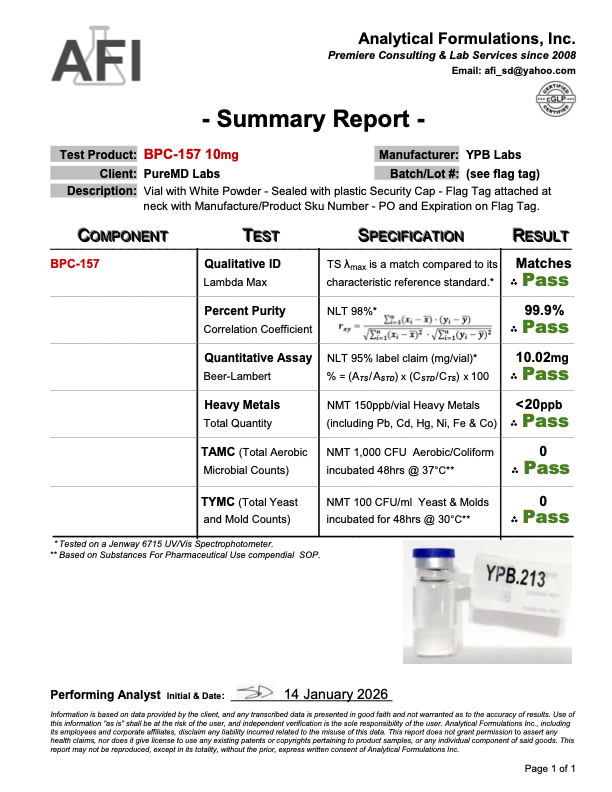
A practical guide to peptide certificates of analysis: what HPLC, mass spectrometry and UV-Vis results mean, how to read purity and assay numbers, and which red flags to watch for.
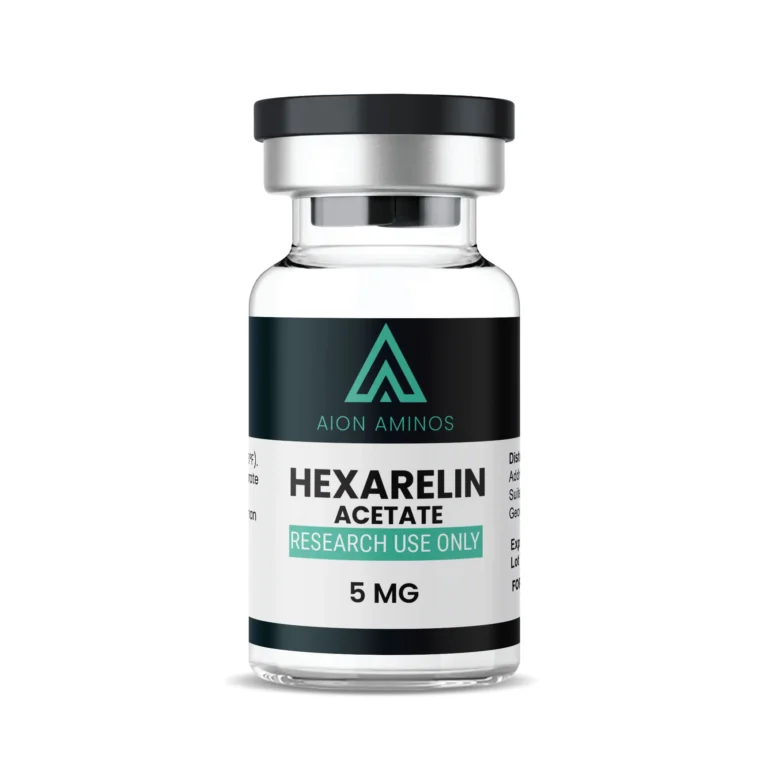
Hexarelin acetate explained for researchers: structure, receptor targets including GHS-R1a and CD36, key preclinical findings and the limits of the evidence.
New to Aion? Use the code below at checkout and save 25% on your first purchase.
Valid on first purchase only. One use per customer. Cannot be combined with other offers.